Dhurandhar (2025) Movie: Akshaye Khanna Outshines Ranveer Singh in This Brutal 214-Minute Spy Drama

Director Aditya Dhar returns with his follow-up to Uri: The Surgical Strike, and this time he’s playing with bigger stakes. Dhurandhar brings together Ranveer Singh, Akshaye Khanna, R. Madhavan, Arjun Rampal, Sanjay Dutt, and newcomer Sara Arjun in a spy thriller that tracks an Indian intelligence operation across a full decade. The setting shifts between India and Pakistan’s Lyari district, known for its gangs and crime networks.
What stands out immediately is the 214-minute runtime, positioning it among India’s longest films. This is the opening chapter of a planned two-part story. Backed by Jio Studios and B62 Studios, the film takes cues from actual intelligence missions. It landed in cinemas on December 5, 2025, and has done well commercially despite critics being split on its merits.
A Story That Refuses to Rush
The opening recalls the 1999 Kandahar hijacking, which directly leads to the creation of Operation Dhurandhar in 2002. An Indian operative takes on the alias Hamza Ali Mazari and goes deep into Karachi’s underworld. He’s there to work his way into rival gang territories, learning their operations from the inside.
The film splits itself into chapters. We watch Hamza spend years slowly gaining the trust of dangerous people while feeding information back home. The plot focuses on how crime, politics, and terrorism blur into each other. Several characters draw from real-life counterparts, which adds a layer of authenticity even when the drama gets heightened.
Ranveer Steps Back, Akshaye Takes Over
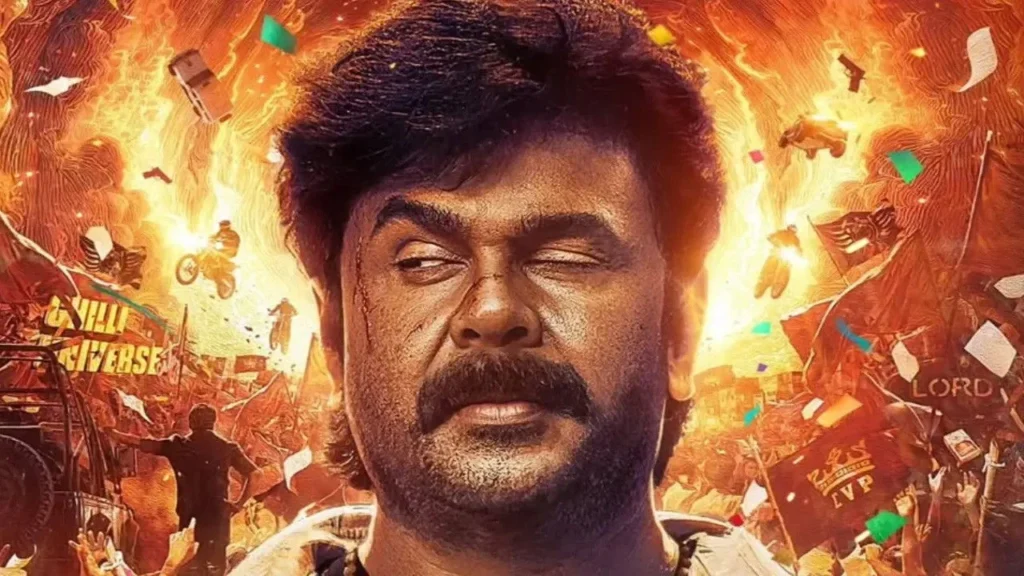
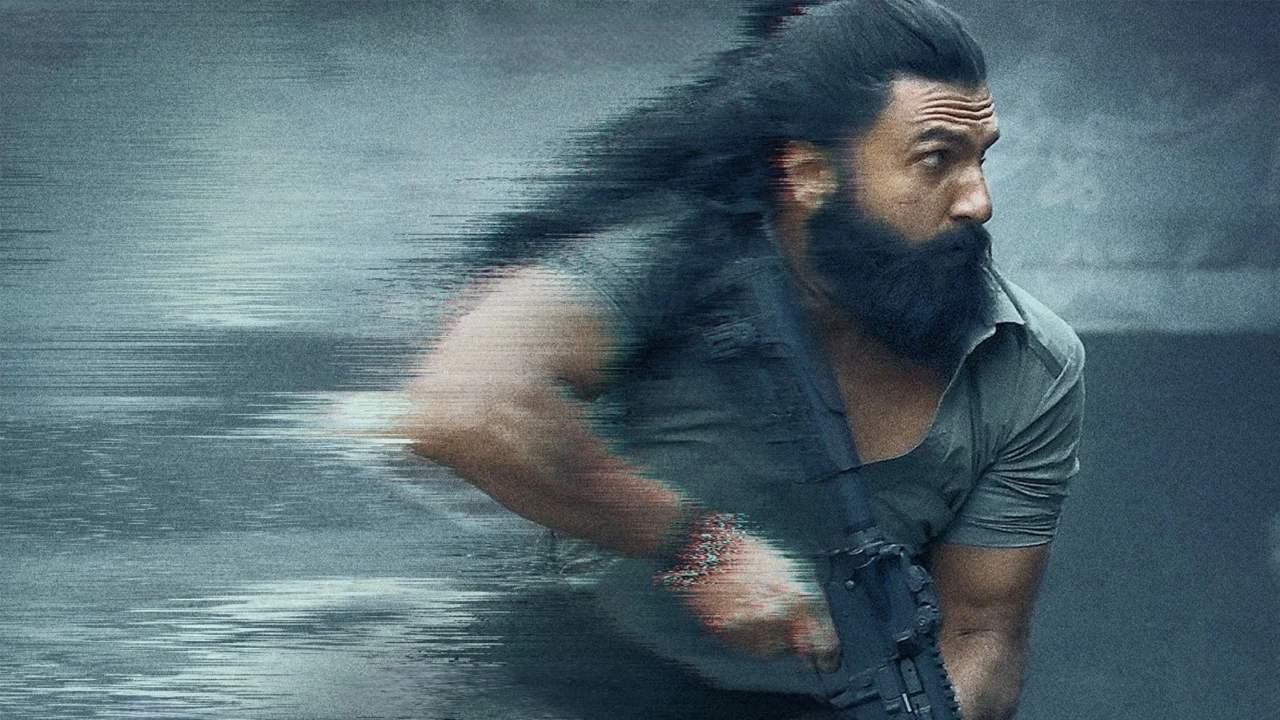
Ranveer Singh does something different here. As Hamza Ali Mazari, he pulls back on his usual high-energy style and goes for something quieter and more controlled. His character speaks more through silence than words, relying on small gestures and eye contact to convey what’s happening internally. It’s easily one of his strongest performances, showing he can shift gears when the role demands it.
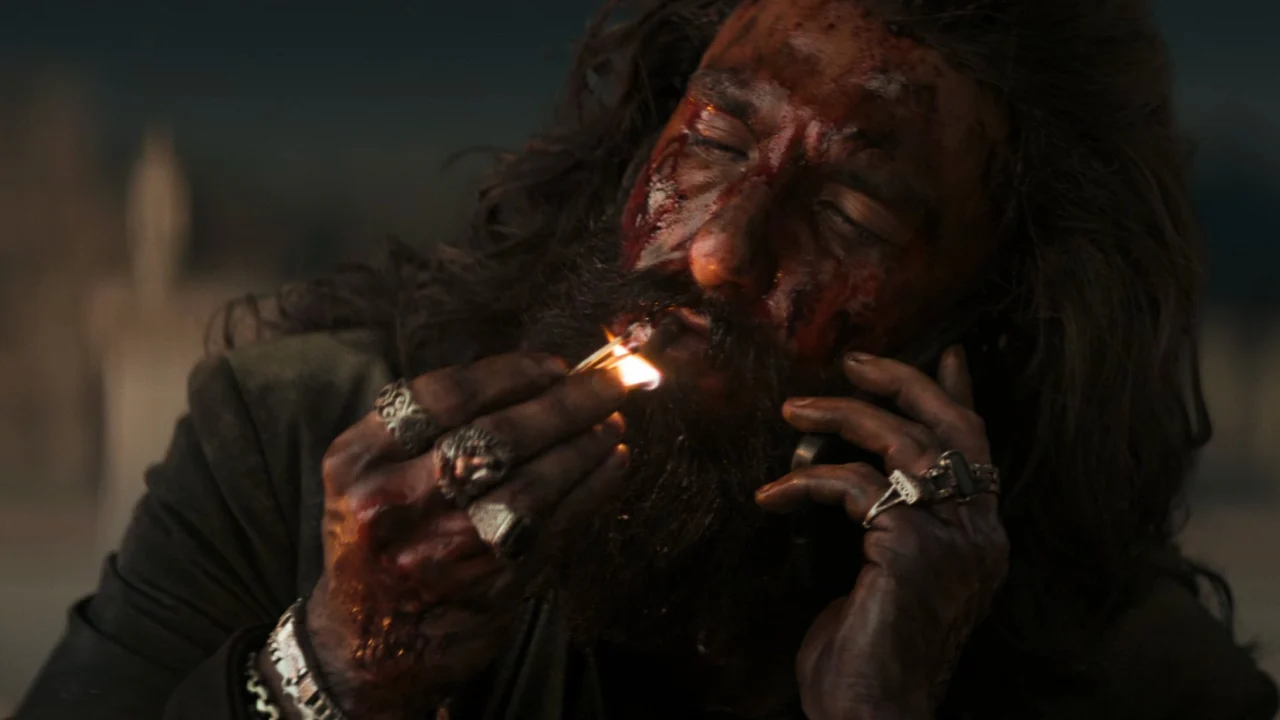
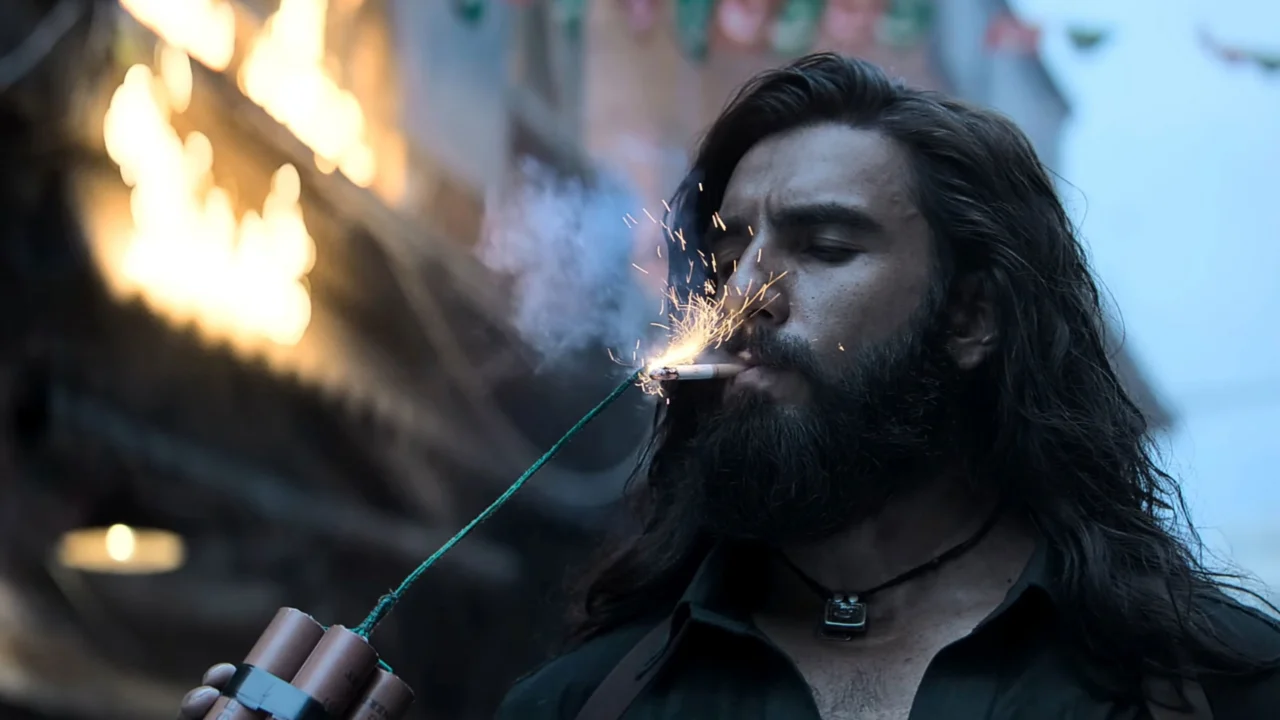
But the film truly belongs to Akshaye Khanna. Playing Rehman Dakait, a Balochi gangster based on a real figure, Khanna commands attention in every scene he’s in. I noticed how the energy in the theater shifted whenever he appeared, people sat up straighter, leaned in closer. His character mixes cruelty with moments of surprising softness, keeping you off-balance about what he’ll do next.
The way Khanna uses stillness is striking. His stare alone creates unease. When he does speak, it’s measured, which makes every word land harder. The dance sequence in Fa9la has gone viral for good reason, it shows a different side of the character that’s almost playful, right before he turns lethal again. Industry insiders are calling this his best work, and it’s hard to argue otherwise.
R. Madhavan makes the most of his screen time as the intelligence chief. Arjun Rampal brings the right amount of menace as an ISI officer. Sanjay Dutt enters later in the story and adds weight to the film’s second half. Newcomer Sara Arjun does what she can with a character that needed better writing. Supporting players like Rakesh Bedi make their mark in smaller roles.
What Dhurandhar Gets Right
Vikash Nowlakha’s camera work pulls you into Lyari’s narrow streets and shadowy corners. The visuals have a gritty texture that matches the story’s tone. Light and darkness get used deliberately to build mood and tension. The production quality is high throughout, making this feel like it deserves to be seen in a theater.
Shashwat Sachdev’s score keeps the tension steady without overdoing it. The song Fa9la has taken on a life of its own online. The film also uses classic Bollywood songs at strategic moments, which hits the nostalgia button effectively.
The action scenes don’t hold back. They’re raw and sometimes difficult to watch, especially the sequences recreating real terrorist attacks. Nothing feels overly choreographed or clean, these fights look messy and brutal, which suits the film’s overall approach. The big action sequence near the end justifies buying a theater ticket.
Aditya Dhar’s direction keeps everything under control despite the sprawling story. The chapter structure works well. Using actual audio recordings from terrorist incidents adds authenticity, though it’s also unsettling. Both lead performances deliver, and even the smaller roles feel thought through rather than just filled in.
Where It Loses Steam
At 214 minutes, you really feel the length. The interval hits at the two-hour mark, which means you’re sitting for quite a stretch before getting a break. Some scenes in the second half repeat ideas we’ve already seen. Trimming maybe 30-40 minutes would’ve made this sharper and more focused.
The romantic subplot doesn’t work. It feels forced in, disrupting the momentum when the spy plot starts getting interesting. I found myself wishing these scenes had been cut entirely or at least reduced significantly.
Here’s the bigger issue: despite running nearly four hours, this is only Part 1. The story doesn’t conclude, it ends on a cliffhanger with Part 2 scheduled for March 2026. After investing this much time, walking out without resolution left me frustrated rather than excited for what’s next.
The violence goes further than most Hindi films. It’s graphic and sustained, which will limit the audience. Some sequences felt like they pushed the boundary just for shock value rather than serving the story. If you’re sensitive to gore, this one’s not for you.
The pacing drags during the Lyari setup sequences. These scenes build character and world, but they slow things down noticeably. I also picked up on the heavy nationalism in the messaging. It’s there if you want it, but it does get preachy at points when subtlety would’ve worked better.
How Critics Responded
Reviews have been all over the map. Rotten Tomatoes shows critics split 50-50, averaging out to 6.3/10. Bollywood Hungama went high with 4.5/5, calling it ambitious with strong craft. The Times of India gave 3.5/5, highlighting Ranveer’s different kind of intensity.
India Today landed at 3/5, with special praise for Akshaye Khanna carrying the film. The Indian Express was cooler at 2.5/5, saying it only clicks in certain moments. Regular viewers on IMDb rate it much higher at 8.6/10, which shows the gap between professional critics and paying audiences.
People consistently praise the performances, especially Khanna’s, along with the technical work and action scenes. The length and violence get mentioned as problems just as often. The incomplete story and nationalist angle also come up in negative reviews.
My Take on It
Dhurandhar tries to do something different with the spy thriller format. It goes for grit and realism over the slick, commercial approach you see in films like Pathaan or War 2. When it works, it really works, the technical craft is top-level and the performances justify the hype.
If you’re into darker thrillers that don’t spoon-feed you, this delivers. The visuals alone make it worth seeing on a big screen. Akshaye Khanna gives you your money’s worth even if nothing else did. Ranveer shows a new side of his range that’s worth noting.
But the average moviegoer looking for fast entertainment will struggle with this. The time commitment is real. Knowing you’re only getting half the story after nearly four hours changes how you feel walking out.
If you’ve got patience for slow burns and can handle intense violence, Dhurandhar offers something you don’t see often in Hindi cinema. It’s messy and imperfect, but it swings big. That’s rare enough these days to be worth acknowledging.
Rating: 4.5/5