Pati Patni Aur Woh Do (2026): Ayushmann Khurrana Pinned keeps the film tense but uneven overall
Prajapati Pandey wakes up to a seemingly ordinary morning in Prayagraj, then one small lie detonates. The couple’s life spirals into a cycle of suspicion and escalating comic chaos, each misunderstanding stacking onto the last like dominoes nobody thought to stop.
Mudassar Aziz returns to the romantic-comedy formula with the squared-off confidence of someone who knows the mechanics inside-out, and that’s precisely the problem.
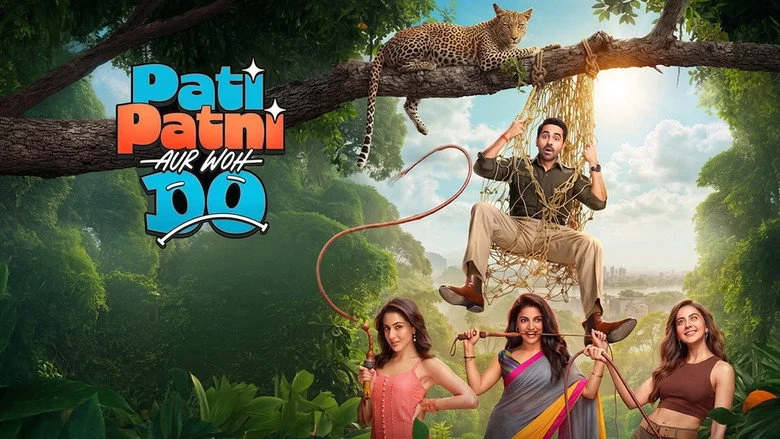
Ayushmann Khurrana Pinned by His Own Comic Predicament
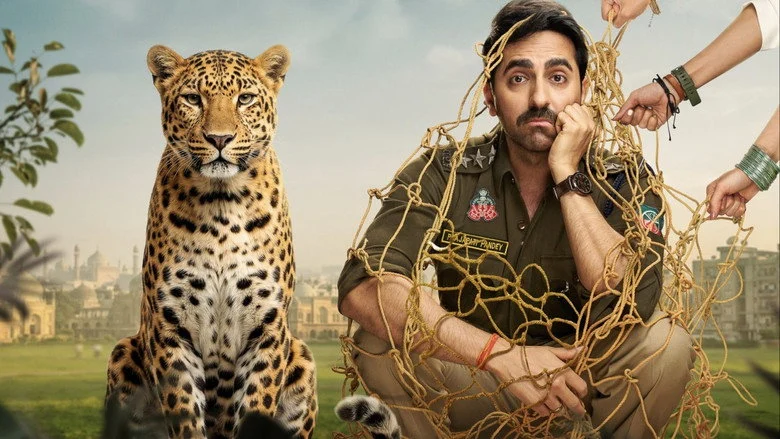
Khurrana’s Prajapati Pandey functions less as a character and more as a waystation for plot chaos. His reactions to mounting misunderstandings are the film’s central hinge, yet the material rarely allows him to transcend reaction shots into something resembling genuine comic agency. He’s trapped by the premise rather than propelling it.
The promotional framing, “Shikari khud hogaya shikaar”, signals a man hunted by his own circumstances, but Khurrana’s performance never quite elevates the familiar misunderstanding machinery into something fresh.
Aziz’s Direction: Competent but Incurious
The director demonstrates clear genre fluency. The premise is legible, the ensemble assembled with visible intention, and the 1h 57m runtime keeps momentum tight. But competence without curiosity leaves the film spinning in predictable grooves. The second half reportedly carries repeated comic twists rather than cumulative escalation, a distinction that matters enormously in farce.
The screenplay relies so heavily on misunderstandings as a plot engine that novelty becomes secondary to execution, and the available evidence suggests execution here is merely adequate.
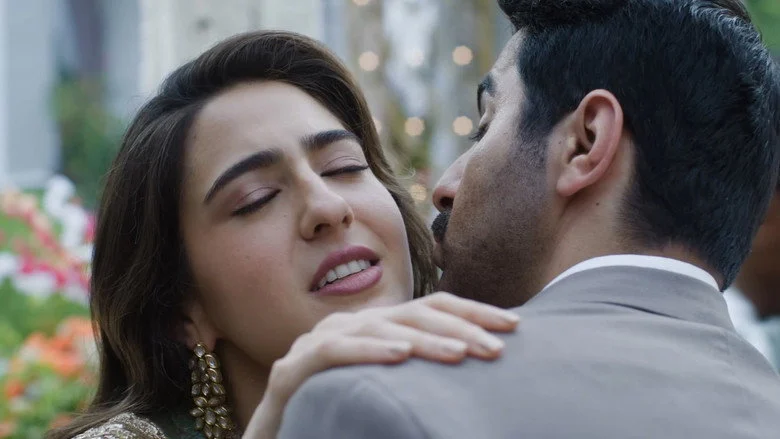
Romantic Comedy Stuck in Familiar Grooves
The film’s misunderstanding-based structure is architecturally sound. A lie triggers confusion; confusion breeds suspicion; suspicion spirals into comedy. The compact runtime allows rapid setup and payoff, preventing the middle section from sinking into tedium. The ensemble cast of Sara Ali Khan, Wamiqa Gabbi, and Rakul Preet Singh creates parallel comic threads beyond the central couple, broadening the target for jokes.
What undermines the execution is the absence of tonal invention. The film is marketed as clean family entertainment, which limits the farce to safe comic territory. When misunderstandings form your entire structural spine, safety becomes liability. The second half’s escalating twists suggest the film recognizes this problem but addresses it through quantity rather than quality.
The setup, one decision disrupting a “seemingly perfect marriage”, is familiar enough that audiences will predict most beats before they land. The ensemble dynamic prevents total predictability, but the economic realities of family-comedy formula mean the payoff rarely surprises anyone who has watched a relationship-comedy since 2010.
For Hindi romantic comedy reviews and deeper genre analysis, explore our Hindi Comedy reviews section for broader context on how this formula has evolved.
Pankaj Tripathi and Supporting Ensemble in Orbit
Pankaj Tripathi, Jaaved Jaaferi, Jitendra Kumar, and Sanya Malhotra are credited but underutilized, their presence signals commercial ambition rather than narrative investment. When supporting players of this caliber exist primarily to fill cast lists, the film has already conceded its bet on character depth.
Sara Ali Khan, Wamiqa Gabbi, and Rakul Preet Singh carry the weight of the ensemble dynamic. The chemistry between these performers and Khurrana appears strong enough to sustain audience goodwill, but the material doesn’t demand or reward genuine vulnerability from any of them.
A Mixed Response That Says Everything
The Economic Times noted the film “opened to a mixed response in theatres, ” which is the diplomatic way of saying it neither captured audiences decisively nor repelled them outright. It exists as a competent, forgettable option, exactly what its structure promises. The film knows what it is; audiences expected exactly that and got it.
The cast combination drew interest on arrival, and family-comedy audiences understood the premise immediately. But mixed reception in theatres suggests the execution didn’t transform that initial goodwill into word-of-mouth momentum or repeat viewing desire.
This is a film that understands its lane but refuses to innovate within it. Watch it if you want relationship chaos played for laughs with an ensemble backup plan and no edges, but recognize that Aziz’s direction, while fluent, never pushes the form toward anything worth remembering. The theatrical experience works better than streaming precisely because the rapid-fire comic timing needs a theater’s acoustic clarity to land cleanly, but even then, you’re paying for competence, not inspiration.
The comparison to Mudassar Aziz’s Maa Behen review reveals his regression toward formula over invention.
Pati Patni Aur Woh Do (2026) is a competently assembled romantic comedy that mistakes familiar mechanics for genuine storytelling, worthy of a weekend matinee but not a deliberate viewing choice, earning 2.5 out of 5 stars for knowing exactly what it is without bothering to become anything more.
Bobby Deol’s entrapment in Bandar verdict shares the same structural DNA of protagonist-versus-circumstance that this film explores.

Ankit Jaiswal is the Chief Author, covering Indian cinema and OTT releases with honest, no-filler criticism. An SEO strategist by background, he brings a research-driven approach to film writing, cutting through hype to tell you exactly what's worth your time.