Peddi (2026): Ram Charan’s Physicality Anchors Ambitious Rural Sports Drama
A wrestler’s fist crashes against packed earth in 1980s rural Andhra Pradesh, and with it comes the weight of an entire village’s dignity. Peddi Pehelwan becomes the vessel through which a fractured community reasserts its identity, through wrestling, through cricket, through the stubborn refusal to surrender to a more powerful rival. Director Buchi Babu Sana constructs a sports drama with real architectural ambition, though the scaffolding occasionally buckles under its own weight.
This is a film that understands the grammar of athletic struggle as a language for social cohesion. Yet at over three hours, it asks patience from viewers before it fully earns their investment.
Ram Charan’s Physical Authority in a Village Wrestler’s Frame
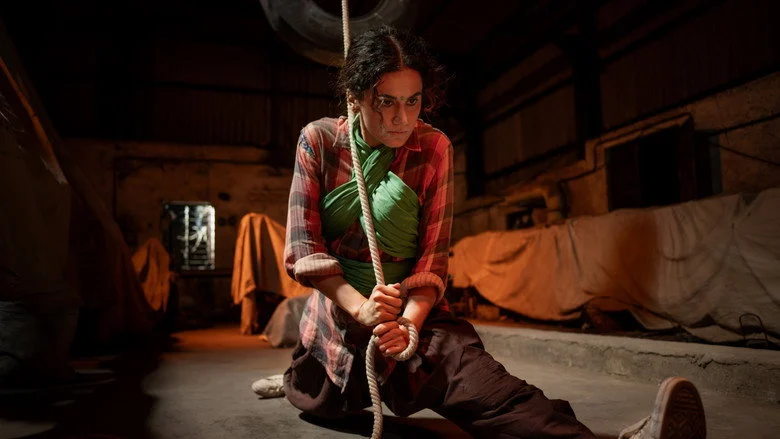
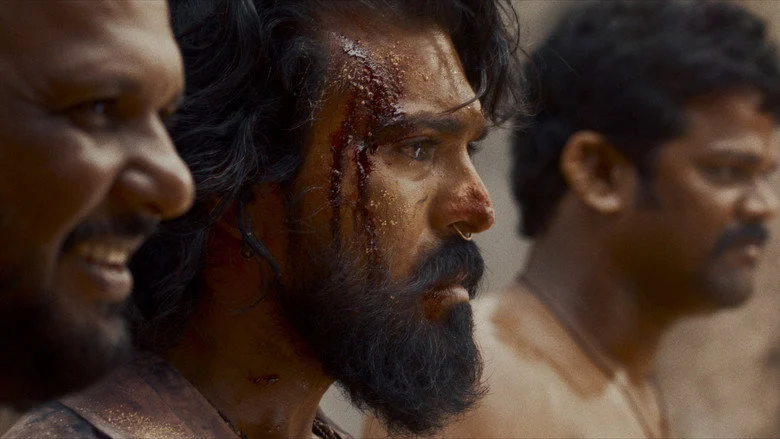
Ram Charan carries the film with the kind of embodied presence that only emerges when an actor commits to the physical vocabulary of his character. His Peddi doesn’t simply fight; he moves with the weight of communal expectation. The role demands physicality and village-leader gravitas, and Charan supplies both, making the wrestler’s body a readable text for pride and sacrifice. His screen presence grounds the film’s ambition when the screenplay threatens to drift.
Buchi Babu Sana’s Premise vs. Its Screenplay Execution
The director plants his narrative in genuinely fertile soil, a rural sports drama where athletic victory equals social resistance. The premise linking wrestling and cricket to village identity is structurally sound. However, the screenplay that scaffolds this premise drew criticism for its execution, and the runtime of 3 hours 7 minutes compounds the problem. At this length, the film requires tighter construction to sustain momentum.
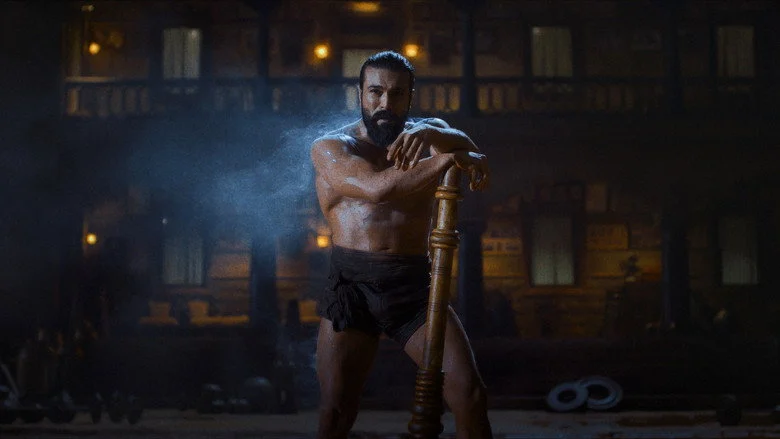
Sports Drama Mechanics and Rival-Driven Conflict
Sana uses athletic competition as the primary engine of narrative tension, which is the right choice for this material. The plot hinges on Peddi mobilizing his village through wrestling and cricket to challenge a more powerful antagonist. This structure, conflict resolved through physicality and collective action, provides real dramatic stakes.
The cricket element broadens the sports framework beyond wrestling alone, widening the pool of village participants and deepening the sense of collective resistance. Rural Andhra Pradesh in the 1980s becomes more than setting; it becomes the film’s thematic partner. Community identity and self-respect are asserted through athletic struggle, not through dialogue alone.
Where the execution falters is in screenplay economy. The film’s central conflict, village pride vs. rival dominance through sport, is clear enough, but the path to that climax feels padded. Scenes mobilizing villagers around Peddi’s example suggest effective community-centered staging, yet something in the writing prevents these moments from crystallizing into memorable set pieces.
For those seeking Telugu action reviews and deeper analysis of the genre’s regional variations, our broader coverage explores how contemporary Telugu cinema balances spectacle with character work.
Jagapathi Babu’s Presence Amid Supporting Ensemble Depth
Jagapathi Babu’s performance earned explicit critical praise in available coverage, marking him as a steady anchor among the supporting cast. His work suggests a seasoned actor bringing weight to a role that likely carries significant thematic responsibility. The ensemble also includes Shiva Rajkumar, Divyenndu Sharma, and Boman Irani in important positions, though individual performance notes remain thin in critical summaries. Their casting signals a film attempting scale and dramatic seriousness.
Janhvi Kapoor’s Casting and the Objectionable Scene Question
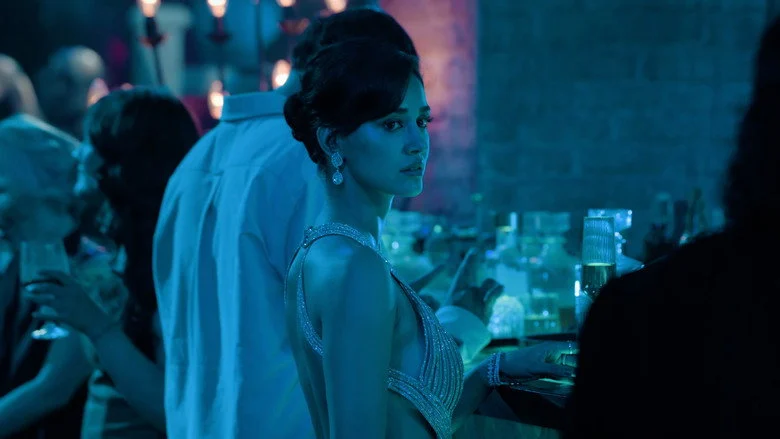
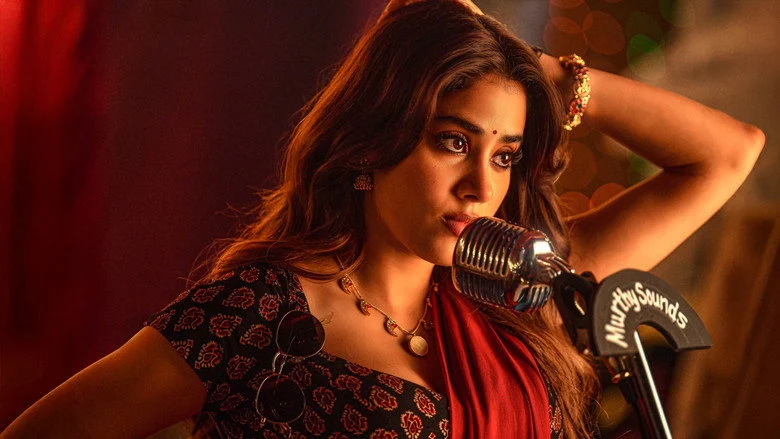
Janhvi Kapoor enters the frame as Achiyamma, a role that became a point of audience contention. Scenes involving her character drew criticism for their obscene content, a jarring element in a film otherwise committed to rural social dignity. This creative choice sits uneasily with the film’s thematic architecture. Her performance itself receives no detailed commentary in available sources, but her casting in a period rural drama raises questions about the film’s tonal consistency.
The film has grossed approximately ₹393 crore worldwide according to producer reports, suggesting significant commercial footfall despite critical reservation. That figure speaks to audience appetite for Ram Charan’s star power and rural sports narratives, even when screenplay discipline wavers.
Peddi works best for those willing to surrender to Ram Charan’s physicality and the film’s earnest investment in village-versus-outsider stakes. Viewers seeking tightly written screenplays or those sensitive to runtime issues should approach with caution. Premium large-format theatrical viewing capitalizes on the film’s scale ambitions, though standard formats suffice if that’s your only option.
Buchi Babu Sana’s Peddi reaches for something substantial in the sports-drama space, community identity through athletic struggle, but the 3-hour runtime and screenplay execution prevent it from becoming the fully realized work its central premise deserves; a 2.5-star craft-led film with genuine ambition and real execution gaps.
The director’s earlier work in sports narrative construction shares thematic DNA with Shah Rukh Khan’s rival-driven action spectacle in Jawan review, though Sana’s rural groundedness contrasts sharply with urban action excess.
The tension between rural authenticity and overscaled dramatic gestures echoes concerns about cinema’s relationship to success myths explored in coverage of Mollywood Times verdict.

Ankit Jaiswal is the Chief Author, covering Indian cinema and OTT releases with honest, no-filler criticism. An SEO strategist by background, he brings a research-driven approach to film writing, cutting through hype to tell you exactly what's worth your time.