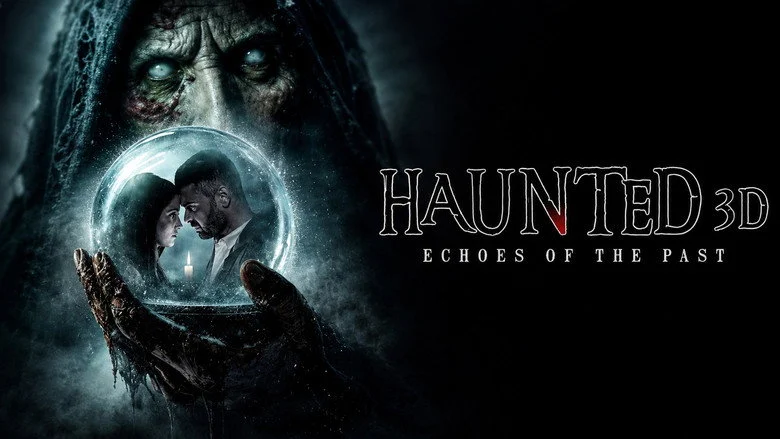
Haunted 3D: Ghosts of the Past (2026): Vikram Bhatt’s Hollow Mansion Fails to Deliver Genuine Frights
Dev arrives at a remote mountain mansion seeking escape from Mumbai’s betrayals, only to find the walls themselves bleeding with malevolent history. Within minutes, strange occurrences escalate, shadows move independently, doors creak open to reveal nothing, and the air grows thick with the presence of spirits who refuse to let the living rest easy in their domain.
Vikram Bhatt’s third installment in the haunted mansion saga promises supernatural dread but delivers something far closer to schlock. This is a film that banks entirely on atmosphere while forgetting that atmosphere without genuine terror is merely interior decoration, expensive, occasionally handsome, ultimately hollow.
Mahaakshay Chakraborty’s Vulnerability Can’t Anchor Thin Material
Chakraborty brings emotional credibility to Dev’s initial scenes of heartbreak and desperation. His discovery of the mansion’s sinister secrets carries real vulnerability, suggesting a man genuinely unraveling. Yet the material doesn’t allow him to build momentum, by the climactic confrontation with spirits, his determination reads as frustration with the script rather than conviction within the narrative.
Bhatt’s Direction Prioritizes Mood Over Mechanics
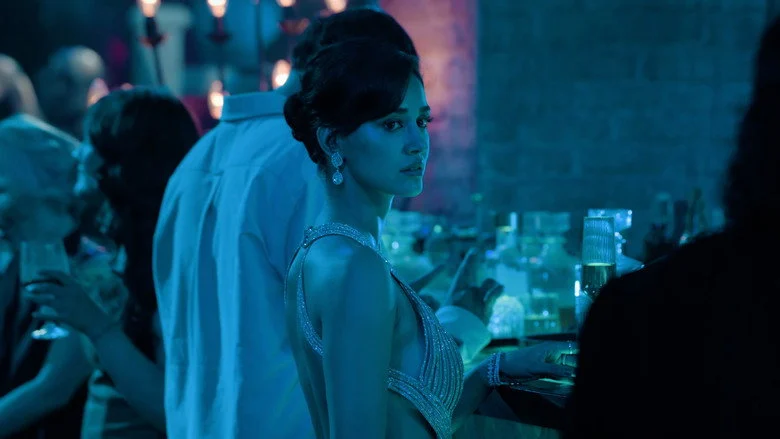
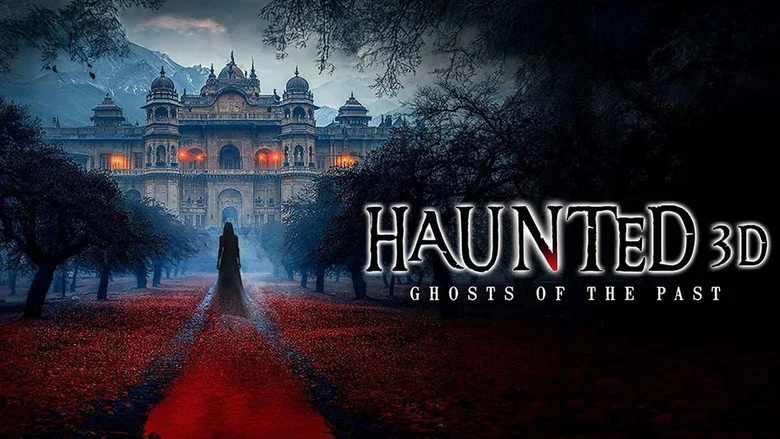
The mansion’s visual atmosphere is undeniably strong, with dark lighting and shadow work that occasionally justifies the camera’s placement. Yet Bhatt’s weakness lies in execution: the opening sequence lacks convincing scares, relying instead on predictable jump-cuts. He builds effective tension in the middle section but abandons the craft rules that make horror function, prioritizing aesthetic over genuine fright.
Horror Executed as Expensive Set Dressing
The first encounter with the spirits creates momentary fear through sound design and blocking, but the impact dissipates immediately. Rediff’s assessment, “no real scares, no real acting, no real sets, no real supervision”, stings because it identifies the core failure: technical competence without artistic purpose. The supernatural elements are present but never visceral.
The climactic confrontation between Dev and the spirits represents the film’s highest achievement, delivering menacing presence and genuine stakes for the first time. This scene alone justifies the runtime investment for die-hard Bhatt fans, though it cannot salvage what precedes it. Faster pacing in the second half acknowledges the first half’s sluggish tempo, but correction cannot reverse damage.
The 3D technology, promised in the title itself, functions as mere marketing cover rather than narrative tool. Watching in regular cinema format becomes the smarter choice, stripping away false expectations and allowing the atmospheric foundation to breathe without technological pretense.
Supporting Cast Anchors Middle Section With Credibility
Chetna Pande maintains consistent presence throughout the mansion’s middle section, providing reliable reaction beats when the lead falters. Gaurav Bajpai proves more effective during escalating tension sequences, suggesting both actors understand the material’s demands better than Chakraborty does. Neither elevates the script, but both prevent complete collapse.
Audience Expectations Versus What Actually Arrives
Horror enthusiasts and Vikram Bhatt devotees represent the core audience likely to engage with this film, yet even they face disappointment. The visual atmosphere satisfies on a surface level, dark mansion interiors, effective use of shadows, supernatural imagery that photographs well. Beyond aesthetic appeal, the machinery fails to frighten, leaving viewers with an elaborately dressed haunted house that never truly haunts.
Viewers seeking genuine scares should look elsewhere. Those sensitive to weak acting and visible plot holes, particularly Dev’s unclear motivation for initial escape, will find the foundation unstable. Regular cinema viewing proves necessary; 3D benefits are nonexistent despite the title’s false promise.
I found myself admiring individual technical choices while resenting the film’s fundamental unwillingness to commit to real horror. Haunted 3D: Ghosts of the Past occupies a strange middle ground, too ambitious in its visual language to be pure entertainment, too hollow in its execution to be genuine art. The mansion deserved either full commitment to genuine dread or complete surrender to schlock. Instead, Bhatt attempts both and succeeds at neither, landing squarely between audience satisfaction and critical respect.
For those exploring atmospheric horror in Hindi cinema, Hindi Horror reviews offer broader context on what actually works in the genre.
The haunted mansion narrative shares DNA with earlier Bhatt efforts like Great Grand review, though executed with considerably less charm or commitment to genuine emotional stakes.
Chakraborty’s emotional vulnerability here mirrors the uneven register found in Pati Patni verdict, though this film tips far further toward hollow spectacle.

Ankit Jaiswal is the Chief Author, covering Indian cinema and OTT releases with honest, no-filler criticism. An SEO strategist by background, he brings a research-driven approach to film writing, cutting through hype to tell you exactly what's worth your time.