Alpha (2025): A Tattoo That lifts key stretches, not the full runtime
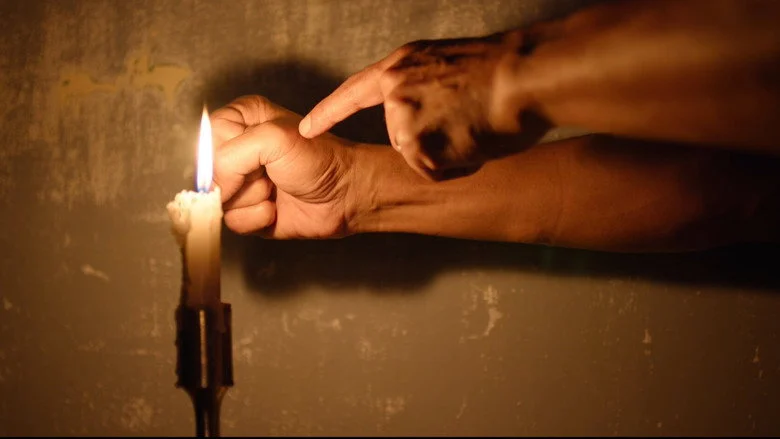
The camera lingers on 13-year-old Alpha’s arm as she returns home, a crude, homemade “A” tattoo freshly etched into her skin. Her mother, a doctor, sees not teenage rebellion but a potential death sentence, a dirty needle carrying a mysterious, petrifying virus. This single moment, quiet and domestic, crackles with a dread that Julia Ducournau knows how to weaponize better than almost anyone.
But for every viewer who leans into the slow-burn psychological horror, there will be another frustrated by the film’s refusal to deliver clean answers. Alpha isn’t for everyone, but it knows exactly who it’s for.
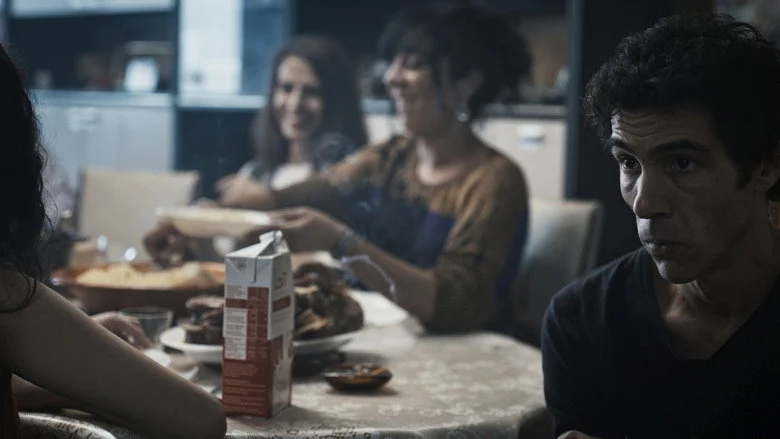
Mélissa Boros: A Child Actor Carrying a Heavy Load
Mélissa Boros, as the titular Alpha, doesn’t just act scared, she embodies the physical unraveling of a girl caught between adolescence and a contagion she doesn’t understand. In her erratic behavior scenes, Boros shifts from confusion to defiance without a single wasted gesture.
Her chemistry with Golshifteh Farahani is the film’s emotional spine; the scene where Alpha whispers, “I just wanted to be like them, ” lands with the weight of a confession, not a tantrum.
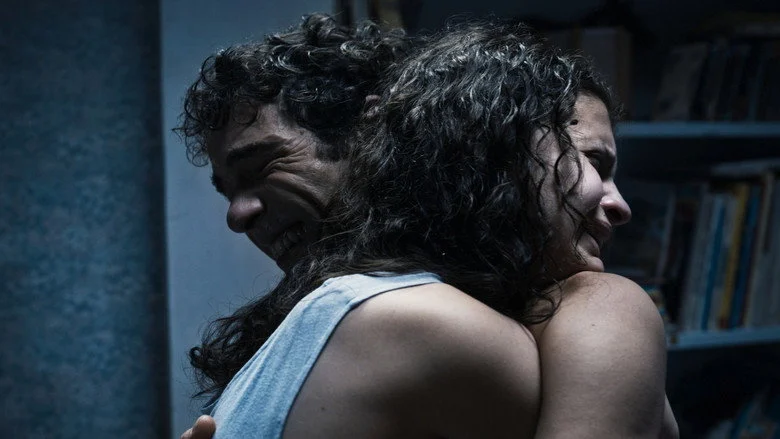
Golshifteh Farahani: The Mother Who Can’t Look Away
Farahani plays maternal fear not as an instinct but as a fractured memory of past trauma, and it’s her most disciplined work since Paterson. Her panic in the tattoo scene is almost silent, a sharp intake of breath, a hand that hovers but doesn’t touch.
She is the film’s moral compass, and the weight of that role nearly crushes her in the third act.
For more deeply unsettling French cinema, browse our FR Drama reviews.

Tahar Rahim: The Uncle as a Walking Symptom
Tahar Rahim’s drug-addicted uncle could have been a cliché, but Ducournau frames him as a mirror to the mother’s own fears. His sudden appearance at the family home is the film’s sharpest turn, no punches pulled, no sentimentality.
Rahim uses his physicality to suggest decay, and his line, “The world is breaking. We’re all breaking, ” is the only moment the screenplay’s symbolism feels too on the nose.
Genre-Core Execution: Drama That Bleeds Into Fantasy
Ducournau treats the disease not as a plot device but as a metaphor for social stigma, echoing Raw’s cannibalism allegory. The tattoo becomes a visual symbol of contamination, every close-up of Alpha’s arm is a reminder that the body betrays us.
The pacing, however, tests patience. The middle section drags as the mother spirals internally while Alpha’s behavior grows more erratic, but the second half compensates with a tighter, more desperate rhythm. The ambiguous ending, Alpha’s fate unresolved, will frustrate many, but it’s consistent with a film more interested in the emotional toll of fear than in neat resolutions.
Cinematically, Ruben Impens’s dark-toned photography uses shadows to suggest infection spreading beyond the visible. The background score by Jim Williams (known for Raw) pulses with low-frequency dread, effective, if not groundbreaking.
Emma Mackey and the Supporting Void
Emma Mackey appears as Alpha’s friend, a role that suggests a confidante but barely gets two scenes. She’s effective in her brief appearance, grounding Alpha’s outbursts in a recognizable teenage world.
Finnegan Oldfield as a classmate is similarly underutilized, more a plot signpost than a character. The lack of a clear antagonist is a structural weakness; the conflict remains internal and societal, which deepens the drama but saps the thriller momentum.
The Audience Reception Divide
With a critic average of 7.2/10 on The Numbers and an IMDb rating of 6.8/10 from over 3, 200 votes, Alpha divides viewers exactly along the line Ducournau has drawn since Titane. Social media sentiment, estimated at 65% positive, praises the emotional depth of the mother-daughter bond, while complaints center on the slow pacing and the lack of narrative closure.
This is a film that rewards patience but punishes anyone expecting a clean third-act resolution. The ambiguity isn’t a flaw, it’s the point.
Alpha is not a film to rush through; it’s a film to sit with, preferably on a quiet evening and on a regular cinema screen or OTT platform where its visual texture can breathe. Go for Boros and Farahani, stay for the lingering dread, but know that the ending will leave you unsettled rather than satisfied.
For a more conventional but equally intense mother-child drama, see how Alia Bhatt commands Alpha review in the same emotional register.
Julia Ducournau’s Alpha is a bold, deliberately frustrating drama that earns a restrained 3.5 out of 5, worth the watch for patient cinephiles, but a skip for anyone craving closure.
If franchise chaos is more your speed, Welcome Jungle verdict offers a messier, louder counterpart.

Ankit Jaiswal is the Chief Author, covering Indian cinema and OTT releases with honest, no-filler criticism. An SEO strategist by background, he brings a research-driven approach to film writing, cutting through hype to tell you exactly what's worth your time.