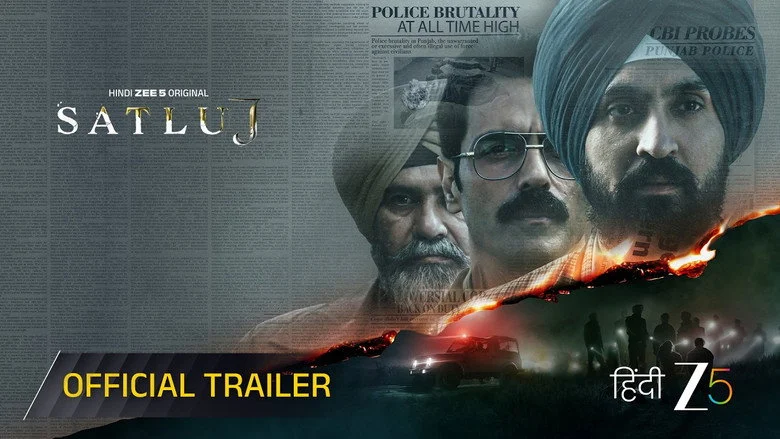
Satluj (2026): The dam confrontation lands hard though the screenplay stays patchy
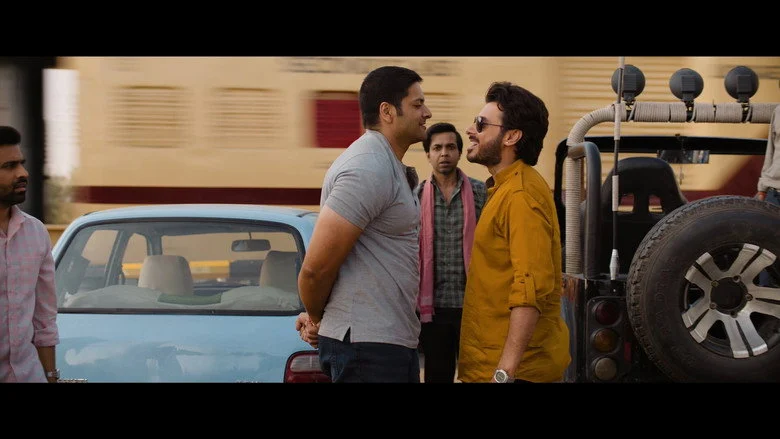
In Satluj‘s most electric moment, Jaswant Singh Khalra (Diljit Dosanjh) stands across a Bhakra Nangal dam contractor and doesn’t raise his voice, he just lets his silence burn. The scene is the film’s thesis: a man who believes paperwork can shame power, set against Punjab’s muddy industrial vastness. From here, you either lean into this slow-burn historical tragedy or brace for a climax that fumbles what it so carefully builds.
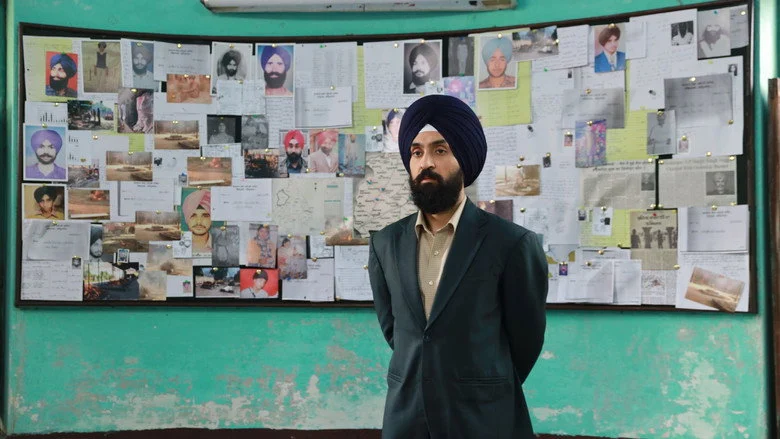
Diljit Dosanjh gives an activist’s soul, not just a martyr’s face
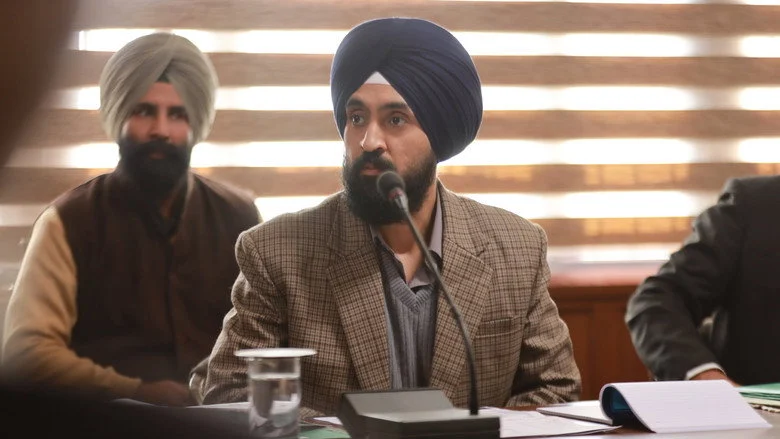
Dosanjh doesn’t play Khalra as a saint; he plays him as a relentless, slightly obsessive man who mistakes civic duty for personal war. The meeting with dam engineer Ram Prakash Malhotra is where his craft peaks, whispered rage that never quite boils, eyes that have already accepted the cost. He also sells the abduction scene’s dread without a single line, letting a trembling jawline do the work of paragraphs.
This is not the Dosanjh of mass-entertainer fame. This is an actor stripping away swagger to inhabit a bureaucrat turned moral battering ram.
Honey Trehan’s direction trusts history but forgets pace
Trehan recreates 1995 Punjab with obsessive period detail, the mustard-brown police jeeps, the unpaid electricity bills pinned to office walls, the grim corridors of government departments. This authenticity is the film’s spine. Yet his screenplay struggles with two things: it never gives the antagonist a name or a face, reducing systemic evil to a vague, off-screen committee; and it rushes Khalra’s abduction into an abrupt cut that feels like missing footage, not a stylistic choice.
The linear structure serves the historical record but flattens the thriller rhythms the material deserves. Some supporting characters appear and vanish without consequence, leaving the emotional canvas thinner than it needs to be.
Genre-core execution: a drama that prefers corridors to crowds
The historical drama format demands tension built from conversation, not explosions, and Satluj largely delivers in its first half. Trehan stages the Khalra-Malhotra confrontation as a verbal trap: every line double-edged, every pause a calculation. This is the film at its most confident, letting dialogue do what guns cannot.
But the second half loses that grip. The genre shifts from procedural drama to tragedy without the required ramp. The systemic cover-up is explained, not felt, narration replaces the gut-punch of witness testimony. The final shot, a lingering frame of Khalra’s empty desk, aims for poetry but lands as conclusion-by-symbol.
What saves it is the score: a sparse, droning background that amplifies loneliness without melodrama. The camera stays wide during the abduction, denying us the close-up catharsis we crave, a risky choice that partly redeems the structural stumble.
For those tracking how Hindi cinema tackles political history, there’s a definite lane here worth exploring in other Hindi Drama reviews.
Arjun Rampal plays the system’s quiet enforcer
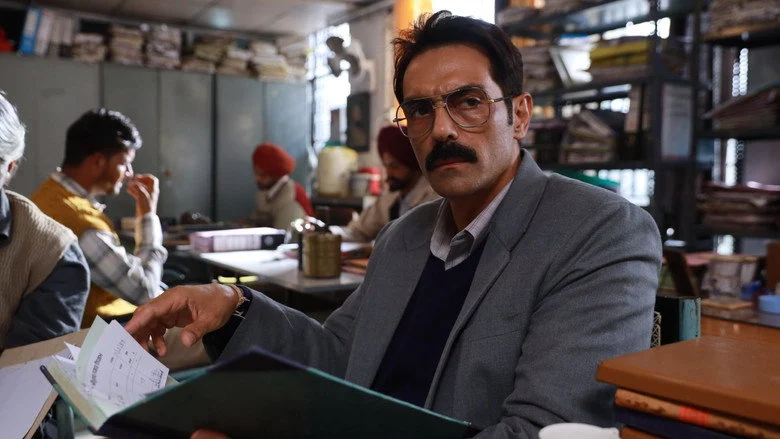
Rampal’s character remains unnamed in available sources, but his presence registers as the human face of institutional pressure. In the tense meeting scenes, he stands opposite Dosanjh like a wall, still, impeccably dressed, never raising his voice, yet every small head-shake signals the machinery closing in. It’s a deliberately opaque performance that mirrors the film’s diffuse antagonist problem: we dislike him without understanding why he serves power.
What the role does offer is contrast. Where Khalra burns hot with moral fury, Rampal’s character freezes the room with bureaucratic calm. The casting itself signals Satluj‘s intention: the conflict isn’t between two men, but between one man and a system that doesn’t need a face to crush him.
Controversy and the missing 120 cuts
The film’s journey to release was itself a subplot: the CBFC demanded approximately 120 cuts before approval, a number that suggests the establishment saw Khalra’s story as unfinished business. The prolonged OTT debut on ZEE5 Global, rather than a theatrical run, feels less like commercial strategy and more like quiet exile. This backstory colors every scene, you watch knowing someone tried to cut the truth short.
Whether the cuts damaged the film’s narrative coherence is debatable. What is not is that the censorship battle made Satluj an artifact of the very struggle it depicts.
At two hours and forty-three minutes, Satluj asks patience for a story that never arrives at a clean resolution, much like the real Khalra case. If you value historical rigor and a lead performance that earns its silence, watch it on ZEE5 with the lights dimmed. If you need a clear villain and a tidy finish, this film will frustrate you exactly the way it frustrates its own protagonist.
Satluj is a noble, flawed monument to a man who trusted the system that killed him, I recommend it for Dosanjh’s performance alone, though the director’s gamble on an anti-climax only partly earns a 3 out of 5.
For a tighter take on moral conviction at the edge of law, see how Alpha review.
And if it’s sheer performance command you’re after, catch how Alpha verdict.

Ankit Jaiswal is the Chief Author, covering Indian cinema and OTT releases with honest, no-filler criticism. An SEO strategist by background, he brings a research-driven approach to film writing, cutting through hype to tell you exactly what's worth your time.