Michael (2026): A faithful performance recreation that skims the man behind the icon
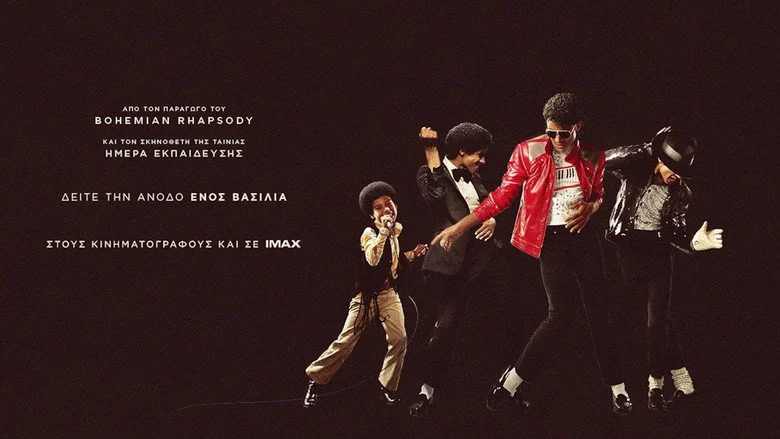
A nine, year, old Michael Jackson commands the stage in a Jackson 5 medley, his every move already calibrated for mass adoration. Antoine Fuqua’s biopic delivers the choreography but dodges the deeper scars that made the man.
Jaafar Jackson Moves Like Michael, But Can He Feel Like Him?
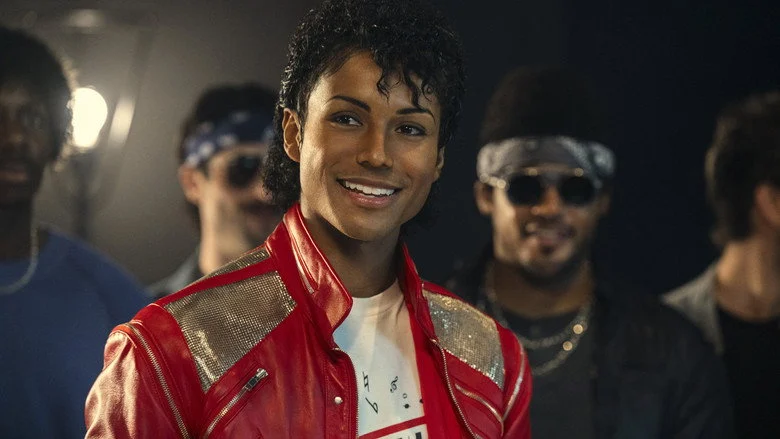
Jaafar Jackson carries the film on his physical resemblance and eerily precise performance mannerisms. His strongest moments come when the camera simply watches him dance—the early solo recreations capture the kinetic flash that defined Jackson’s rise. Yet in dialogue, heavy scenes, the performance loses its grip; the script gives him little interior life to play with. He is a brilliant mimic, but a biopic needs more than a mirror.
Fuqua’s Staging Shines, But Logan’s Script Plays Safe
Antoine Fuqua stages the concert material with controlled, kinetic energy—the Bad World Tour sequences buzz with the right scale and rhythm. But John Logan’s screenplay follows a cradle, to, stardom template so familiar it feels pre, programmed. The family, conflict material, especially between Joe and Katherine Jackson, reduces complex dynamics to standard biopic confrontations. I suspect Fuqua and Logan knew they were making a tribute, not an inquiry, and that choice inherently limits the film’s resonance.
Genre, Core Execution: Biopic Serves the Music, Not the Mystery
The cradle, to, stardom structure hits expected beats: discovery, Jackson 5 rise, solo breakthrough. It depends entirely on casting resemblance and impersonation accuracy for credibility. Outside the stage, the screenplay sketches rather than inhabits.
The performance sequences are the film’s raison d’être. Fuqua’s camera knows where to look: on Jaafar’s feet, on the crowd, on the myth, making machinery. The early solo recreations crackle with care—every spin and slide is reproduced with an archivist’s devotion.
But the Bad World Tour material lands as spectacle, not revelation. The cost of extraordinary talent is asserted, never dramatised. The film’s 127, minute runtime leaves little room for the psychological price behind the sequins.
For more takes on musical biopics and performance, driven dramas, browse our English Drama reviews.
Domingo and Teller Compete for Space in a Crowded Biopic
Colman Domingo’s Joe Jackson functions as the film’s primary antagonistic force—a patriarch of discipline and control. Domingo brings authority to the role, but the writing frames him through blunt confrontations rather than layered motivation. Nia Long’s Katherine Jackson provides the emotional counterweight, though her presence is mostly reactive. Her quiet suffering in the background speaks volumes about the family’s emotional economy. Miles Teller’s John Branca represents the business machinery around Jackson; his scenes are functional but lack the friction needed to feel consequential.
The Icon vs. The Inquiry: What the Film Avoids
Audience reception has largely praised Jaafar Jackson’s casting and the dance recreations, especially the Jackson 5 and early solo material. But the same viewers note that the film’s conventional biopic structure and compression of a vast life story leave later, life complexity underexplored. The film avoids any serious grappling with the controversies that shadow Jackson’s legacy, which suits fans looking for a tribute but frustrates those seeking a fuller portrait. It is a film designed for admiration, not interrogation.
For viewers who want a note, perfect recreation of Michael Jackson’s early stage magic, this film delivers exactly that. But if you hope for a portrait that grapples with the man beneath the glove, you will leave the theatre wanting. Catch it in IMAX if you must—the concert sequences deserve the big screen.
Drishyam 3 review explores narrative framework with a similar devotion to performance reconstruction.
Michael (2026) is a polished but superficial tribute that earns a generous 3 out of 5 for its craft but loses points for its courage.
Meanwhile, Krishnavataram Part verdict anchors its devotional romance in a very different kind of spectacle.

Ankit Jaiswal is the Chief Author, covering Indian cinema and OTT releases with honest, no-filler criticism. An SEO strategist by background, he brings a research-driven approach to film writing, cutting through hype to tell you exactly what's worth your time.