Vo Ladki (2026): Raahi Carries Closure Through Memory’s Weight
Pathik returns a wristwatch to Devyani in what should be a final goodbye, but the object refuses to let either of them move past what it represents. Praween Kumar Pandey’s Vo Ladki is a romantic drama that trades forward momentum for the weight of attachment, a film about two people who cannot quite decide if memory is a gift or a prison.
Raahi Carries the Entire Emotional Load Without Flinching
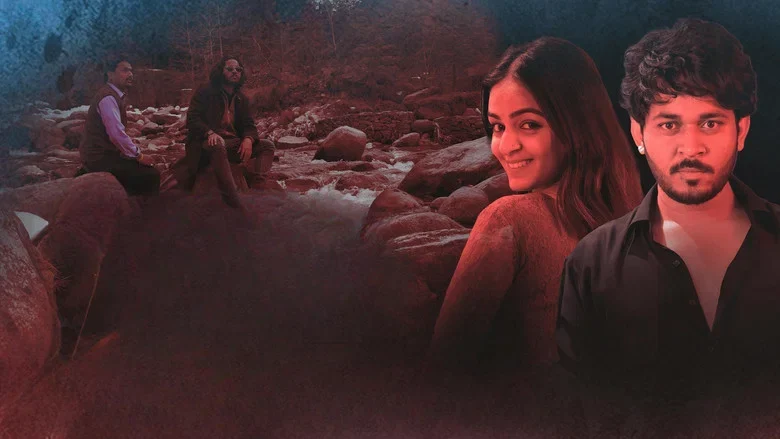
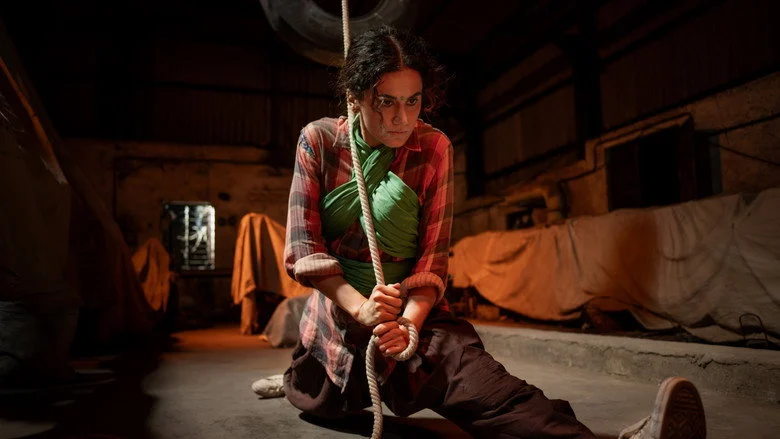
Raahi plays Pathik as a man defined by what he cannot forget. The role centers on regret and the quiet work of letting go, not on action or external victory. The non-linear structure forces Raahi to inhabit Pathik across multiple emotional registers, present-day resignation, past-tense longing, and the fractured moments in between, without the anchor of a straightforward narrative. Raahi must convince us that returning a wristwatch is not a simple gesture but a reckoning.
Pandey’s Direction Builds Closure Around a Single Symbolic Object
The director organizes his entire film around the wristwatch as an emotional linchpin. Memory itself becomes the landscape Pandey navigates, using non-linear cuts to bind past attachment with present attempts at severance. What remains unclear is whether the film trusts its own restraint, whether emotional closure can sustain ninety minutes without the machinery of external conflict to prop it up.
Memory-Driven Romance Refuses the Easy Catharsis
The film’s narrative structure mirrors its emotional strategy. Rather than showing us a linear relationship and then a breakup, Pandey scatters moments of connection and pain across the runtime, forcing us to piece together what Pathik and Devyani were to each other. This approach demands something from the audience that romantic dramas rarely ask: patience with ambiguity.
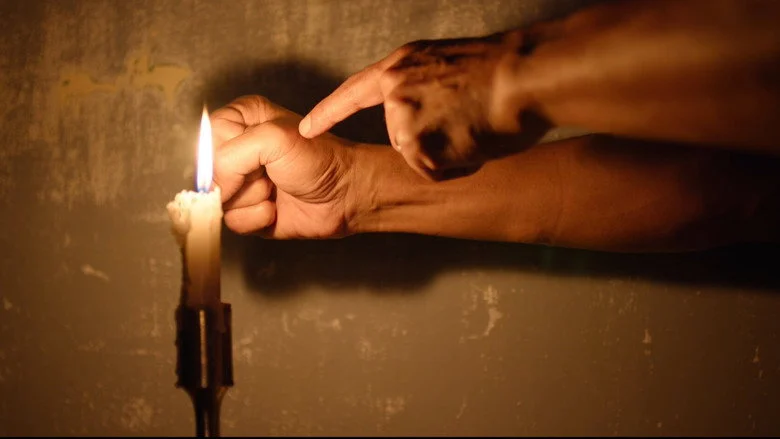
The wristwatch-return sequence operates as the film’s clearest emotional pivot, the moment when Pathik’s attempt to preserve memories collides with his need to release them. This is where the film’s central thesis lives: whether love is defined by holding on or by knowing when to let go. The sequence either lands with devastating weight or rings hollow depending on how invested we’ve become in these two people across the fractured timeline.
Pandey’s non-linear approach to romantic storytelling avoids the trap of making every emotional beat feel inevitable. Scenes revisit the relationship from different emotional angles, suggesting that memory is not fixed but recursive, a place we return to not for answers but for different questions. The risk here is real: audiences schooled on linear narrative may find this approach frustratingly opaque rather than intriguingly complex.
Hema Chaudhary Anchors the Film’s Absent Center
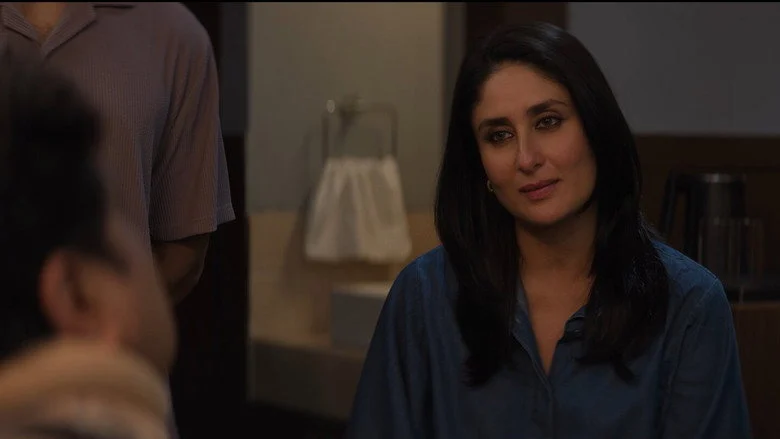
Hema Chaudhary plays Devyani as the object of Pathik’s unresolved past, which means her character exists primarily in memory and in the present moment of their goodbye. The role requires her to embody both the woman Pathik remembers and the woman he must release, often simultaneously. She is the film’s emotional target and its most elusive presence.
Pooja Kandare and Sanit Swami round out the cast, though their roles remain undefined in available materials. Their presence suggests a world beyond the central romantic conflict, though it remains unclear whether the film trusts that larger context or retreats into the intimacy of just Pathik and Devyani.
For viewers who appreciate Hindi romance reviews and closure-driven narratives, this film positions itself as a deliberate alternative to commercial relationship cinema. Hindi movie reviews often treat memory as backdrop; here it is the entire architecture.
A Film Built on Emotional Premise Rather Than Box-Office Muscle
The absence of conventional antagonism or plot machinery is either the film’s greatest strength or its most fundamental limitation. Vo Ladki structures itself around interior conflict, Pathik versus his own need to cling to what has ended. There is no villain, only the question of whether one person can teach another how to let go.
This approach signals a filmmaker willing to bet everything on performance and emotional precision. There is no safety net of genre spectacle or narrative momentum to catch us if the central relationship fails to convince. The film either trusts its actors and its symbolic logic completely, or it collapses into self-indulgent melancholy.
Vo Ladki is a film for viewers who have sat with unresolved feelings long enough to recognize them, and for actors brave enough to let silence carry meaning. If you need your emotional arcs tied up neatly or your romantic dramas propelled by external stakes, this is not your film. If you can sit in the discomfort of not quite knowing whether Pathik has actually moved on, or simply learned to live with the memory, then Pandey has something genuinely uncommon to offer. Watch it as a regular theatrical experience, this is chamber cinema that needs the focus of the big screen.
Vo Ladki is a performance-driven romantic drama that trusts Raahi’s ability to carry emotional weight through memory and restraint, a 3.5/5 effort that asks more of its audience than most contemporary Hindi films.
Hema Chaudhary’s work here echoes the emotional precision demanded in Bharat Bhhagya review, where actors must embody unresolved internal states.
Like Governor verdict, this film places its faith in a lead performance anchored by symbolic stakes rather than plot machinery.

Ankit Jaiswal is the Chief Author, covering Indian cinema and OTT releases with honest, no-filler criticism. An SEO strategist by background, he brings a research-driven approach to film writing, cutting through hype to tell you exactly what's worth your time.