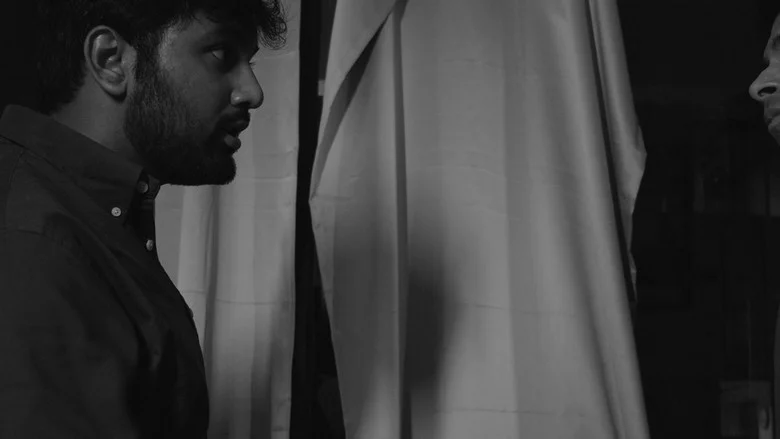
Bandar (2026): Bobby Deol Trapped in Kashyap’s Corrupt System
An ageing television star collapses into legal quicksand the moment his ex-girlfriend resurfaces with a rape accusation. Bobby Deol’s Samar doesn’t mount a defence so much as drown in it, first arrested, then systematically dismantled by institutions designed to grind men like him into irrelevance. This is Anurag Kashyap’s thesis: power corrupts the system that claims to police it, and innocence is a currency that buys nothing in a cage built by bureaucrats.
The premise alone signals intent: Kashyap abandons spectacle for pressure, replacing action setpieces with the suffocation of courtroom sequences and detention cells. You feel Samar’s decline not through montage but through the accumulation of small humiliations, a fading name, a new lover who cannot save him, and a legal apparatus that has already decided his fate. This is a film that trusts paranoia over reassurance.
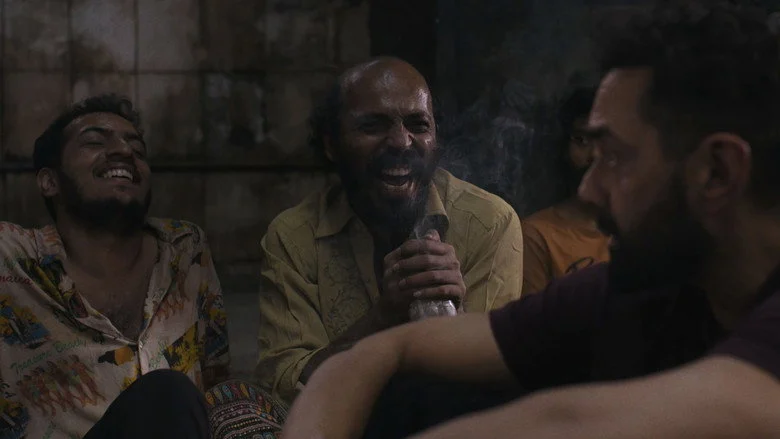
Bobby Deol Carries the Weight of Institutional Collapse
Deol anchors the film entirely on his ability to shift between defensive resistance and naked vulnerability. His Samar must convince us simultaneously that he might be guilty and utterly destroyed by the system, a balance few actors maintain without tipping into melodrama. The arrest sequence frames him not as a hero but as a man undone by forces larger than his talent or charm can deflect.
What Kashyap extracts from Deol is restraint. In a lesser actor’s hands, Samar becomes a platform for self-pity; here, Deol grounds the character in the quiet desperation of someone watching his second act dissolve in real time.

Kashyap’s Direction Sustains Suspense Through Institutional Dread
The director’s primary strength is his refusal to identify a clear villain. The corrupt legal system functions as protagonist and antagonist simultaneously, it moves the plot forward while crushing Samar. Scenes of detention and interrogation carry tension not through confrontation but through bureaucratic inertia.
Yet the screenplay structure depends on revelations that the available material suggests remain ambiguous. Without clarity on how Kashyap resolves the central accusation, it’s difficult to assess whether he commits to genuine moral complexity or settles for the easier position of institutional critique. That ambiguity might be intentional; it might also be evasion.
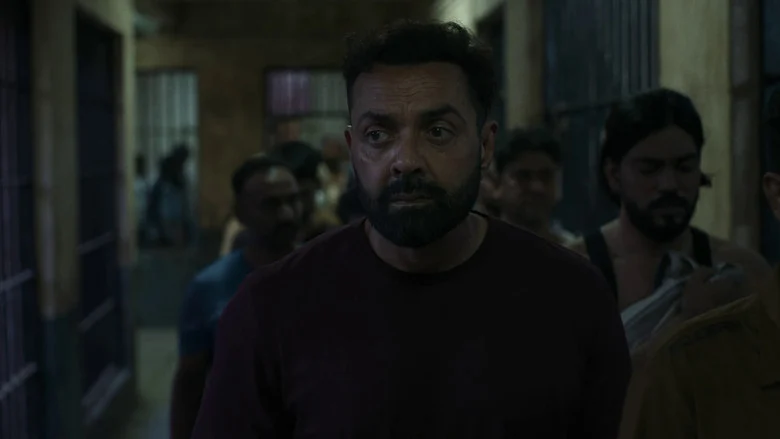
Crime Thriller Built on Accusation, Not Investigation
The film eschews the detective-procedural model entirely. No investigation unfolds; instead, competing versions of past events create the mystery. Gayatri’s return to Samar’s life triggers the collapse, but her motivation, whether revenge, genuine trauma, or something more calculated, drives the suspense. The film’s central gambit is that we never fully know what happened, and neither does the legal system designed to determine it.
Kashyap’s terrain here is the courtroom drama, where dialogue substitutes for action and credibility becomes weaponry. The legal-system sequences force Samar into confrontation with institutional bias, exposing how accusation can function as a tool of power regardless of guilt. This is where the film’s thematic muscle resides, not in psychology but in the machinery of justice itself.
The mystery element depends on competing testimonies and hidden motives, a structure that asks audiences to sit with uncertainty rather than demand resolution. Whether that restraint reads as intelligent or frustrating will determine the film’s reach. Crime thrillers that interrogate the system rather than solve it often alienate mainstream audiences expecting closure.
Sanya Malhotra’s Gayatri Functions as Catalyst, Not Villain
Malhotra plays the character whose accusation fractures Samar’s present tense, but the available material suggests she operates without clear motivation. Casting an actor of her register in this role signals intentional ambiguity, Gayatri is neither monster nor martyr but a figure whose past entanglement with Samar carries unresolved emotional weight. Saba Azad, as Khushi, marks Samar’s failed attempt to move forward; her presence highlights how thoroughly his past claims him.
Both actors anchor relational instability rather than psychological depth. Their value lies in what their casting tells us: Kashyap is interested in how accusation destabilizes bonds, not in exploring their interior lives.
The Film’s Political Angle Is the Corrupt System Itself
Bandar arrives without a single identifiable villain because the antagonist is structural. The film examines power, accusation, reputation, and institutional failure through the prism of a fading celebrity, a figure with social capital but no legal immunity. His former fame becomes liability rather than asset; the system consumes him precisely because he once mattered.
This is subtle political filmmaking. Kashyap doesn’t mount explicit critiques of the justice system but instead documents its logic: accusation precedes investigation, detention precedes evidence, and institutional momentum overwhelms individual truth. I found the implicit argument more effective than any explicit statement would be, the film trusts the audience to recognize how the machinery operates.
Whether the film ultimately endorses Samar’s exoneration or complicity remains unclear from available material, and that unresolved tension is precisely where its political teeth reside. A system cannot be reformed if we don’t know what it’s protecting or prosecuting.
For a deeper dive into crime thrillers that interrogate systems rather than solve crimes, explore Hindi Thriller reviews that prioritize institutional critique over conventional narrative closure.
Bandar is not a film for audiences seeking reassurance or traditional dramatic resolution. It’s designed for viewers willing to sit in institutional dread and accept that neither Samar nor the court can fully answer the question at its centre. The film’s refusal to provide closure is its most courageous choice and its most divisive one. Watch it in theatrical format, where the weight of confined spaces and procedural dialogue lands with full force.
Bandar trades conventional thriller satisfaction for the messier pleasure of institutional critique, earning a solid 3.5 out of 5 for its commitment to moral ambiguity and Bobby Deol’s restrained performance.
Kashyap’s approach to legal-system entrapment mirrors Hai Jawani review that traps characters in contemporary dramas.
The film’s exploration of how institutions weaponize accusation shares thematic DNA with Star Wars verdict.

Ankit Jaiswal is the Chief Author, covering Indian cinema and OTT releases with honest, no-filler criticism. An SEO strategist by background, he brings a research-driven approach to film writing, cutting through hype to tell you exactly what's worth your time.