Mollywood Times (2026): Abhinav Sunder Nayak Punctures Cinema’s Success Myth
Vineeth Madhavan sits in Kuttikkanam, jaw clenched, watching films he’ll never make, at least not the ones he imagines. Abhinav Sunder Nayak’s debut plunges into the gap between cinematic aspiration and industry reality, stripping away the nostalgic romance that usually clings to stories about filmmaking.
What emerges is deliberately uncomfortable: a coming-of-age that doubles as an autopsy of Malayalam cinema’s success mythology, told with the clarity of someone who knows the dream intimately enough to dissect it.
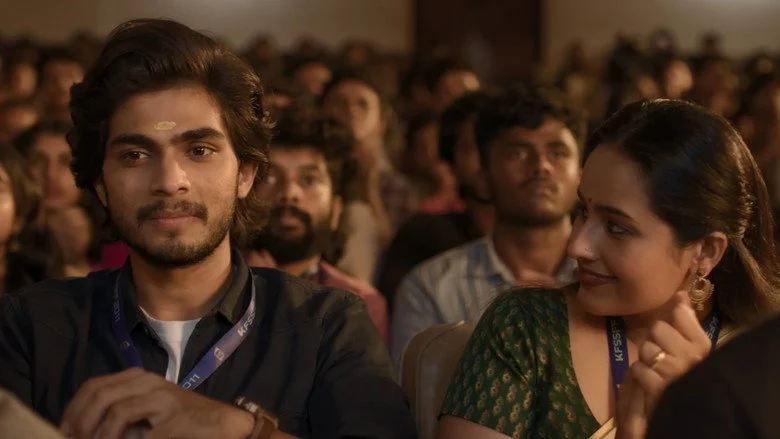
Naslen’s Restraint Anchors Vineeth’s Fractured Ambition
Naslen carries the film’s entire philosophical weight as Vineeth, the teenager haunted by directorial dreams. His performance works precisely because it refuses grandstanding, every frustration registers as quiet, accumulated pressure rather than theatrical outburst.
The character’s setup becomes the film’s spine: watch a young man collide with the structural limits of his world, not through melodrama but through honest exhaustion.
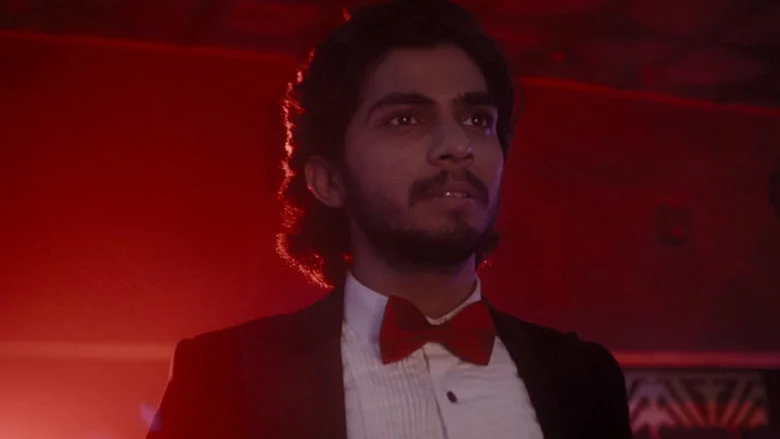
Nayak’s Direction Trades Celebration for Surgical Critique
Director Abhinav Sunder Nayak steers a fresh, conscious perspective on cinema that rejects the love-letter formula entirely. The screenplay by Ramu Sunil grounds this critique in linear progression, following Vineeth’s journey while dissecting industry mythology layer by layer. Yet one review flagged the execution as excessive, suggesting Nayak occasionally overstates his argument where whisper would land harder.
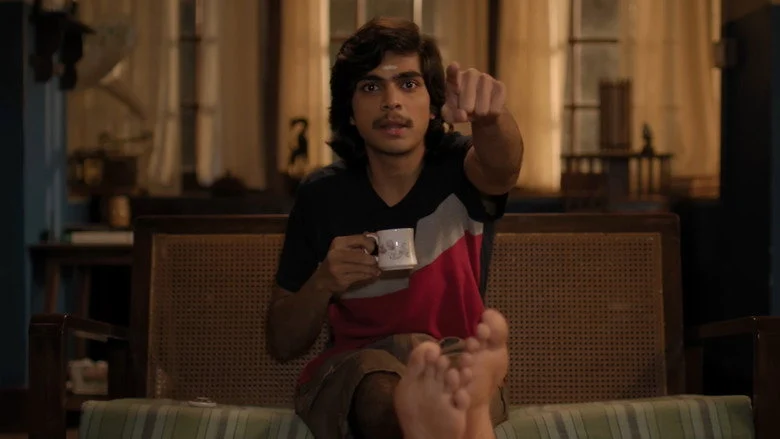
Comedy-Drama as Industry Anatomy Lesson
The film’s primary weapon is its refusal to separate the teenager from the system crushing him. Vineeth’s dream doesn’t collapse in one dramatic scene, it erodes through accumulated friction with practical limitations, industry gatekeeping, and the gap between what cinema sells and what it actually offers.
The dark-comedy framing works because the film never punches down at aspiring filmmakers; it punches sideways at the mythology that recruits them. This tone, sincere, contemporary, unflinching, becomes the film’s actual technical achievement.
At 2 hours 46 minutes, the runtime serves the dissection rather than fights it. The film resists compression because its argument demands patience: watch how cinema’s success myth operates, brick by brick, on a teenager who simply wants to create.
For those tracking how Malayalam cinema examines itself, our broader
section tracks this evolving self-awareness across multiple releases and registers.
Sangeeth Prathap and Sharaf U Dheen Occupy Structural Roles
Supporting cast members Sangeeth Prathap and Sharaf U Dheen anchor the world around Vineeth without detailed scene-work in available records. Their casting signals an ensemble approach to industry critique, surrounding the protagonist with figures who embody different positions within cinema’s machinery.
Roshan Shanavas rounds out a cast positioned less as distinct characters than as embodied arguments within the film’s larger thesis about how cinema manufactures and discards its dreamers.
No Scandal, Only the Quiet Crisis of Artistic Compromise
The film contains no documented controversies or political flashpoints. Its conflict exists entirely within the existential space where art meets industry, a territory far more dangerous to the soul than any headline. The FSK 12 certification from FILMSTARTS aligns with its coming-of-age framework and dark-comedy register.
What emerges instead is a film designed for audiences hungry for Malayalam cinema that examines itself without flinching. The realistic, accessible approach to film-world aspiration speaks directly to viewers tired of nostalgic myth-making.
Whether Mollywood Times sustains its argument across nearly three hours depends entirely on your tolerance for surgical precision over dramatic payoff. If you want cinema dissected rather than celebrated, this is your film. The theatrical format preserves the intensity better than OTT compression would allow.
Abhinav Sunder Nayak’s debut proves that critiquing cinema from within requires more courage than defending it, and Mollywood Times swings that blade with deliberate, uncomfortable clarity, earning a solid 3.5 out of 5 for its refusal to look away.
The film shares thematic ancestry with
in how both interrogate personal memory against institutional forgetting.
Both Mollywood Times and
examine how individuals navigate systems designed to diminish them.

Ankit Jaiswal is the Chief Author, covering Indian cinema and OTT releases with honest, no-filler criticism. An SEO strategist by background, he brings a research-driven approach to film writing, cutting through hype to tell you exactly what's worth your time.