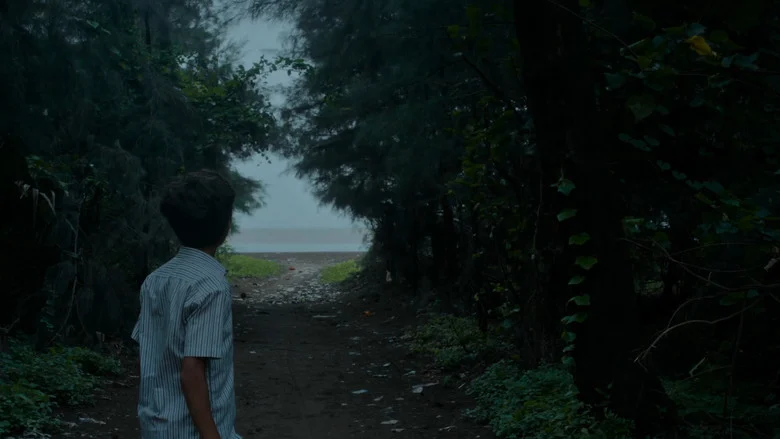
Chand Mera Dil (2026): Ananya and Lakshya Navigate Familiar Romance Territory
Aarav spots Chandni across a college campus, and the inevitable spark ignites, except this time, the filmmakers know that sparks fade when ambition enters the room. Chand Mera Dil moves past the dizzy rush of attraction into something harder: two people discovering that love doesn’t always survive the weight of growing up.
Vivek Soni’s film arrives as a deliberate, audience-conscious romance-drama that understands its own lane. It won’t surprise anyone hunting for genre innovation, but it’s constructed with enough emotional clarity to matter to viewers seeking a film that treats heartbreak as something real rather than theatrical.
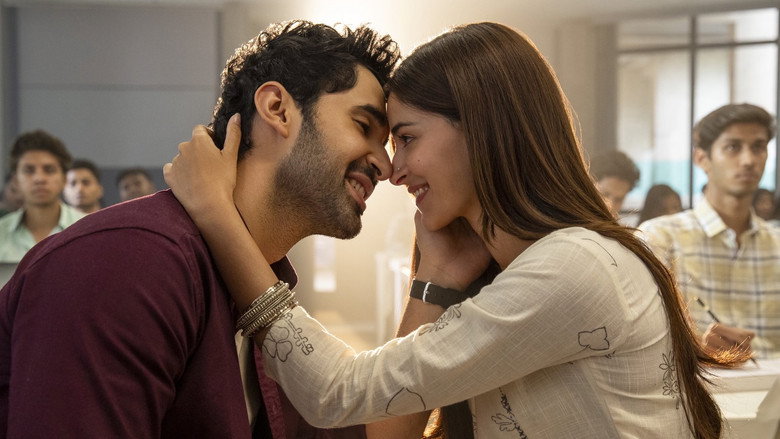
Lakshya Lalwani’s Vulnerability Anchors the Emotional Core
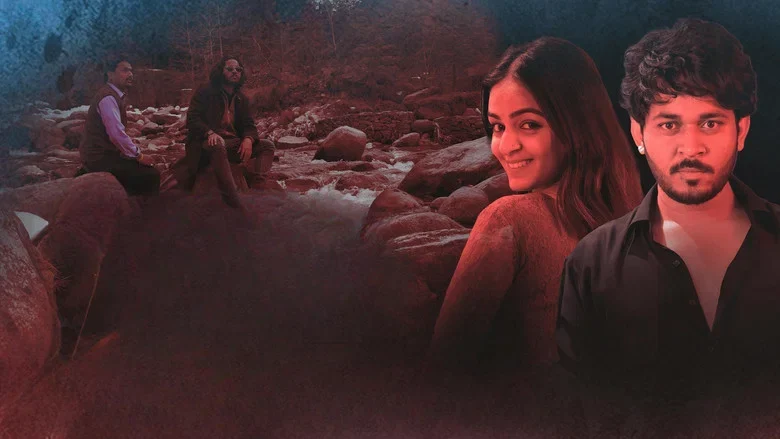
Lalwani carries the film’s heaviest emotional load as Aarav, the partner who invests more of himself into the relationship than circumstances allow him to hold. His performance hinges on reactivity, moments when love collides with powerlessness, and he inhabits that space without unnecessary flourish. The separation stretches in the second half, where he must convey loss without dialogue, become his truest test.
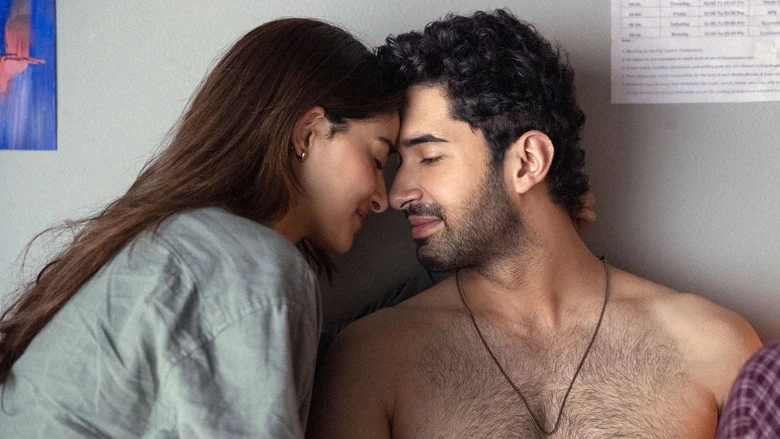
Ananya Panday’s Restraint Works Against Romantic Convention
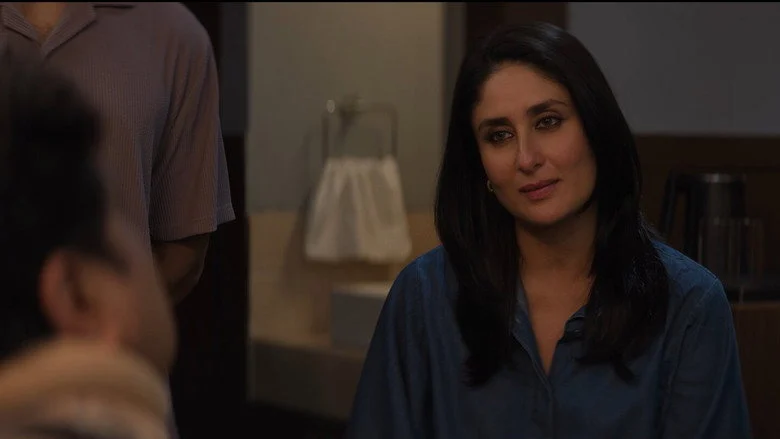
Panday’s Chandni refuses the role of devoted love interest; she’s architected as someone for whom ambition and self-preservation matter as much as devotion. This creates the film’s central tension: two people loving each other while prioritizing different futures. Her performance demands restraint rather than emotional display, which works for the premise but occasionally leaves the romantic chemistry feeling unresolved.

Soni’s Direction Prioritizes Emotional Realism Over Romance Formula
The screenplay, co-written by Soni, Tushar Paranjape, and Akshat Ghildial, sidesteps the trap of making external villains. Instead, it positions misunderstanding, career divergence, and emotional insecurity as the actual antagonists. The first act glides smoothly, college romance, light chemistry, personality contrast, but the foundation is lean enough that viewers seeking deeper character work may feel shortchanged.
Where the direction sharpens is in the breakup sequence. That separation and heartbreak phase, which dominates the second half, grounds the film’s emotional logic. Soni doesn’t reach for melodrama here; the devastation comes from recognizing that good people sometimes can’t move at the same pace. It’s a choice that honors the premise over audience comfort.
The middle stretch, however, suffers from repetitive cycle-through of conflict beats. Misunderstanding, confrontation, temporary reconciliation, deeper misunderstanding, the pattern tightens before it needs to, and pacing slows accordingly. This section tests patience more than tension.
Het Thakkar and Supporting Players Fade Into the Margins
The ensemble, Het Thakkar, Pratham Rathod, Aastha Singh, and Elvis Jose, occupy the frame without leaving impressions. Their roles are functional rather than dimensional, serving plot mechanics rather than enriching the central dynamic. In a film this lean on external conflict, fuller supporting characters might have provided counterweight to the claustrophobic couple dynamic.
A Premise Born for Class Audiences Finds Its Natural Home
Chand Mera Dil lands squarely for viewers who respond to emotional realism in romance narratives, particularly those fatigued by high-stakes melodrama or contrivance. The film’s U/A 16+ certification reflects emotional maturity rather than sensationalism, it’s a film about vulnerability that trusts vulnerability itself to carry weight. Hindi romance reviews frequently gravitate toward either purely comedic or purely tragic registers; this film’s refusal to fully commit to either puts it in smaller company.
The Dharma Productions backing signals major theatrical infrastructure, yet the film’s DNA suits intimate viewing spaces better than multiplex noise. If you’re drawn to stories about how love transforms into something gentler and sadder with time, this one earns your attention. If you prefer romance to feel like victory, this delivers something closer to understanding, which isn’t the same thing, and shouldn’t be mistaken for it.
Soni’s film works best as a film for adults watching other adults learn that passion and practicality rarely synchronize perfectly. The chemistry between leads is less fireworks and more recognition, two people who fit, at least until life demands they don’t. That restraint matters more than it might seem.
Similar explorations of relationship strain through circumstance can be found in Neelira review, which grounds emotional conflict in equally unforgiving external conditions.
Chand Mera Dil understands that not all love stories end in reunion, and that’s where its modest strength lives, a 2.5/5 film that knows exactly what it wants to say and says it without unnecessary ornament.
Campus-drama formulas receive similar restraint but less grace in Derby verdict, making Soni’s choice to center emotion rather than plot mechanics feel deliberate by comparison.

Ankit Jaiswal is the Chief Author, covering Indian cinema and OTT releases with honest, no-filler criticism. An SEO strategist by background, he brings a research-driven approach to film writing, cutting through hype to tell you exactly what's worth your time.