Neelira (2026): Naveen Chandra Grounds War Drama in Civilian Survival
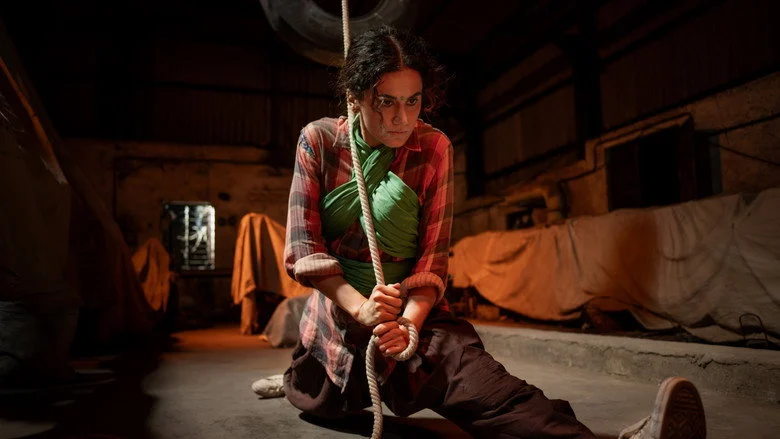
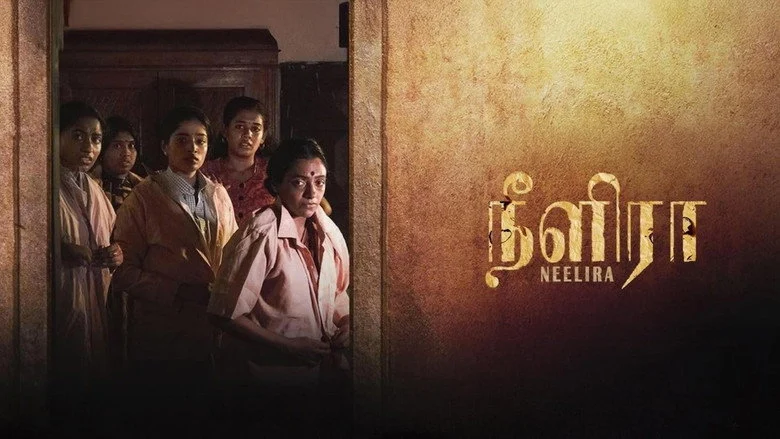
A wedding celebration in 1988 Jaffna transforms into a nightmare when Indian peacekeepers accidentally storm the family home, transforming the space into a three-way siege between soldiers, residents, and approaching militants. Over a single suffocating night, Someetharan’s debut feature dismantles the mythology of war cinema by refusing to valorize any faction, instead, it anchors itself firmly in the terrified arithmetic of survival when civilians become bargaining chips.
This is a film for viewers tired of war spectacle, built instead on restraint and the psychological weight of confined spaces where dialogue and presence matter more than explosions. The Times of India rated it 3.5/5, recognizing its commitment to avoiding emotional manipulation while depicting genuine civilian terror.
Naveen Chandra’s Captain Commands Through Quiet Moral Compromise
Naveen Chandra occupies the film’s moral center not as a hero but as a man forced into impossible decisions under duress. His measured performance, praised by India Today as “measured” acting that grounds the narrative, shows a military officer who must decide to fortify a civilian home when radio confirmation arrives that no backup will arrive until dawn. The Captain becomes the orchestrator of a family’s imprisonment, yet Chandra never plays this as villainous; instead, he renders it as the banal calculus of survival.
Someetharan Refuses the Operatic, Sides With the Silenced
Director Someetharan, a Sri Lankan Tamil filmmaker making his feature debut, executes a deliberate restraint that actively resists war cinema convention. He portrays documented IPKF sexual violence and the LTTE’s fluctuating status in Tamil perception without sensationalizing either, choosing instead to observe how a family absorbs these threats through the long darkness. His screenplay sidesteps exploitation, focusing on quotidian details, the wedding preparations abandoned, the daughter Vasuki’s fate suspended, that devastate precisely because they remain ordinary.
The Hostage Format Replaces Battle: Tension Without Spectacle
The genre execution hinges on psychological escalation rather than action choreography. A three-way standoff between IPKF soldiers, the civilian family, and rebels circling outside generates mounting pressure through what remains unseen and unspoken as much as through direct confrontation.
The single-night timeline becomes a pressure cooker where time itself becomes the antagonist. Someetharan abandons explosions and heroics entirely, replacing them with the confined-space chamber piece where human conflict, whispered negotiations, sudden violence, moral collapse, carries all dramatic weight.
The final scene, involving only civilians and described as most disturbing, exposes the true cost of this night: not military victory or strategic gain, but the irreversible damage inflicted on a family when war occupies their home. It is here that the film’s quiet devastation becomes unbearable.
For those interested in how regional cinema explores conflict, Tamil war dramas have become increasingly sophisticated in recent years.
Sananth and Kapila Venu Anchor the Family’s Dissolution
Sananth, playing Castro or Devan, and Kapila Venu as Devaki represent the civilian casualties at the film’s heart. Their presence signals that this is not a soldiers’ story masquerading as a war film, the family’s vulnerability and powerlessness drive every scene. Sidhu Kumaresan as Vasuki embodies the generational cost, a young life interrupted by forces entirely beyond control.
Critical Reception Reflects Niche Theatrical Strength Over Commercial Visibility
The New Indian Express described the film as an “unsparing, compassionate look at civilian life under siege, ” yet the same publication noted it was “quietly released” and may “just as quietly disappear soon” if ticket sales don’t improve. This suggests a film calibrated for cinephile audiences and those with direct connection to Tamil history, rather than broader multiplexes seeking conventional narrative catharsis.
The measured praise, emphasizing avoidance of exploitative excess and realistic portrayal of conflict’s civilian impact, reveals a film that critics respect more than audiences have been invited to see. That gap between critical recognition and commercial momentum signals a theatrical experience designed for specific viewers willing to sit with discomfort and moral ambiguity.
Watch this in a theatre where you won’t reach for your phone during its 122 minutes, the entire power of Neelira lives in sustained tension and the quiet horror of watching a family’s last night of normal life collapse into something unrecoverable. This is not entertainment; it is testimony.
Neelira demands patience and historical awareness, rewarding both with a war drama that sides with the powerless rather than the armed, a stance increasingly rare and necessary, earning it a solid 3.5/5 for those willing to meet its austere vision halfway.
Someetharan’s approach to civilian trauma without melodrama shares similar sensibilities with Derby review that prioritize intimate emotional truth.
Both Neelira and Kadhal Reset verdict demonstrate how regional cinema excels when it refuses commercial formula.

Ankit Jaiswal is the Chief Author, covering Indian cinema and OTT releases with honest, no-filler criticism. An SEO strategist by background, he brings a research-driven approach to film writing, cutting through hype to tell you exactly what's worth your time.