Kadhal Reset Repeat (2026): A.L. Vijay’s Amnesia Romance Collapses Under Exhausted Comedy
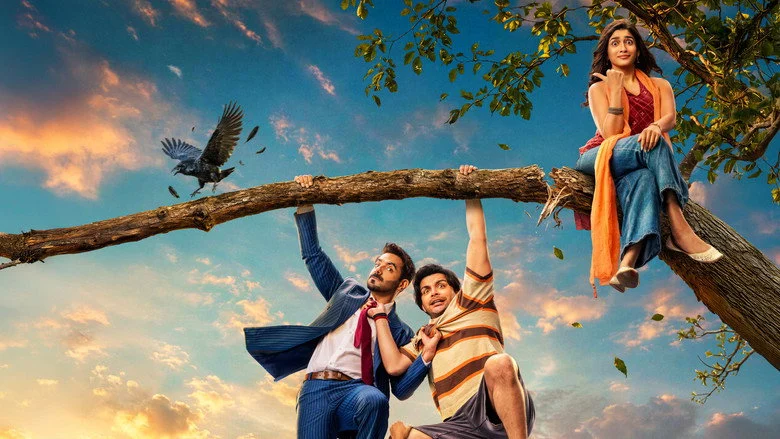
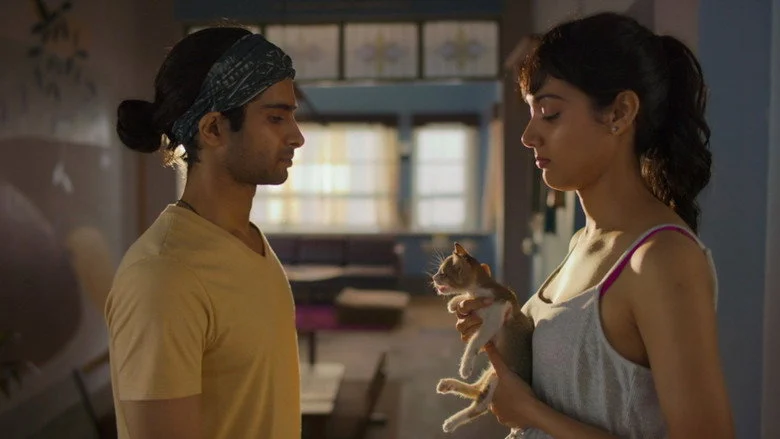
Aditi plummets from a Scottish cliff after discovering her boyfriend’s betrayal, waking with anterograde amnesia that erases her memory each dawn. Siddharth, the childhood admirer who jumped after her, now tends to her confusion while concealing who he is, a setup that promises emotional complexity but delivers only mechanical plot machinery grinding toward an incoherent climax.
A.L. Vijay constructs this romantic drama around a neurological premise that should anchor genuine pathos, yet the execution fractures almost immediately under the weight of comedy that refuses to land. The film’s core mechanics, memory loss triggering romantic confusion, hidden identities, rival suitors, read as narrative scaffolding rather than organic character terrain. Within twenty minutes, the absence of anything amusing, charming, or even functionally comedic becomes the film’s defining characteristic, according to critics at ETimes who rated it a stark 2.0 out of 5.
Madumkesh Prem’s Siddharth: Devotion Without Dimension
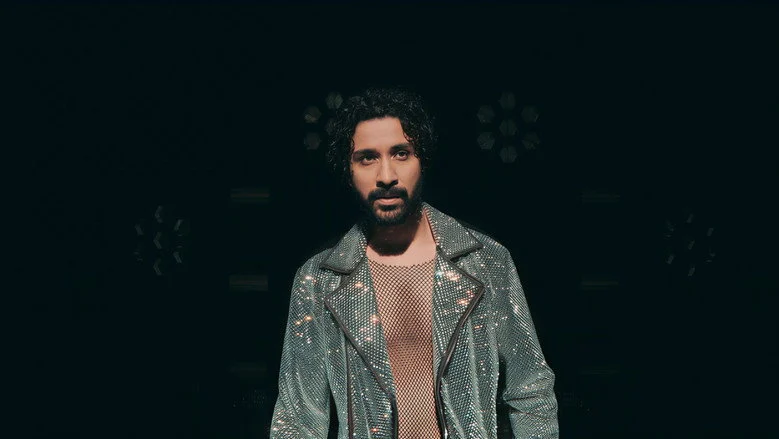
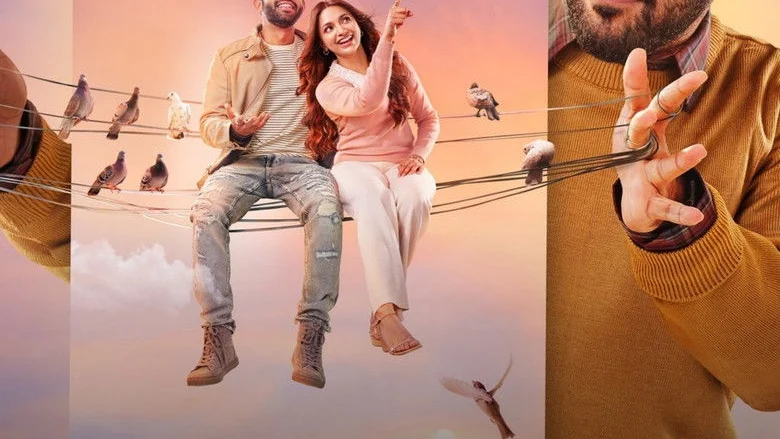
Prem performs the archetype of devoted pursuer competently enough, the helmet disguise in Scotland, the impulsive cliff dive to save Aditi, the patient caretaker hovering around amnesia’s victim. Yet the screenplay offers him no texture beyond these mechanical gestures. His character exists to react rather than interrogate the ethical murkiness of his own deception; the film never lets him sit with the discomfort of his position, making emotional stakes feel theoretical rather than earned.
A.L. Vijay’s Direction: Staging Collapses Into Amateurism
Vijay’s structural choices flatten the inherent drama of amnesia into repetitive confusion. The amateurish staging of song sequences, particularly the poorly conceived visual grammar surrounding Un Paarvai’s mellifluous melody, signals a director unable to translate intimate emotion into cinematic language. Where psychological vulnerability should bloom, awkward blocking and unfocused framing create only aesthetic distance.
Comedy’s Suffocation: The French Goons and Tanglish Disaster
The film places its comedic weight on French-speaking goons hired by Hari for abduction attempts, communicating solely through Tanglish with Siddharth across multiple scenes. This subplot refuses to expire, stretching across the runtime as one exhausted joke demanding repetition for legitimacy. Every iteration compounds the central failure: the premise itself generates no laughter or even mild amusement.
The amnesia setup theoretically enables romantic confusion through repeated confrontations between Hari and Siddharth, yet the screenplay handles these moments with blunt exposition rather than comedic timing. Dialogue lands flat. Physical comedy misfires. The language-barrier humor between goons and protagonists reads as miscalculated cultural shorthand rather than genuine wit, a structural choice that eats screen time without earning laughs.
Drama and comedy require precision to coexist; here they cannibalize each other. The memory-loss conceit demands dramatic weight, vulnerability, fear, the disorientation of waking into erasure, but the film fractures these possibilities through tonal whiplash. Scenes oscillate between treating amnesia as profound loss and treating it as scaffolding for mistaken-identity gags, never committing fully to either register.
Arjun Ashokan’s Hari: A Villain Without Credibility
Ashokan portrays Hari as the betraying ex-boyfriend turned antagonist, yet his arc collapses under implausible logic. He hires goons for abduction, then, in the film’s most bewildering creative choice, assaults Siddharth with a rock in broad daylight while police actively restrain a bystander. The climax requires viewers to accept that violence erupts without consequence, that law enforcement stands idle, that melodrama substitutes for dramatic coherence.
Genre Craft’s Abandonment: Neither Comedy Nor Drama
Tamil cinema’s romantic-comedy tradition hinges on timing, chemistry, and the friction between sentiment and levity. This film achieves none of these. MS Bhaskar as Paal Manickam and supporting players exist as functional placeholders, their presence registered but unexploited. The technical framework, runtime of 2 hours 17 minutes, U certificate, dual Tamil-Telugu release, promises accessibility without earning it through craft.
Song staging matters in Tamil cinema, and the visual presentation of compositions feels like an afterthought. Yamma Ghajini’s Harris Jayaraj involvement suggests ambition, yet the on-screen execution betrays the music’s inherent merit. Cinematography and editing remain unremarkable, no distinctive visual language emerges to compensate for the narrative’s failings.
What emerges across these 137 minutes is a film fundamentally uncertain about what it wants to be. The premise of memory loss returning daily offers genuine dramatic possibility, the philosophical weight of identity reset, the anxiety of displacement, the ethical complexity of deception in service of love. Instead, Vijay treats it as circumstantial convenience, a plot device to generate misunderstandings rather than a condition demanding emotional reckoning.
For Tamil film enthusiasts curious about romantic-comedy craft, browsing Tamil Drama reviews reveals how badly this entry fumbles territory other directors navigate with grace.
Skip this without hesitation. The film wastes its neurological premise on mechanical plotting, abandons comedy’s fundamental requirements, and concludes with a climax that insults logical reasoning. Watch only if you’re researching how amnesia narratives should never be executed; otherwise, your 137 minutes serve no purpose here.
Kadhal Reset Repeat ranks among the year’s more frustrating miscalculations, a film that could have explored memory and identity instead opting for joyless repetition, earning its 2.0 ETimes rating as a genuine assessment of profound creative failure.
A.L. Vijay’s tonal confusion mirrors TN 2026 review when directors lose sight of core purpose.
Arjun Ashokan’s miscasting echoes Mrithyunjay verdict when screenplay architecture crumbles.

Ankit Jaiswal is the Chief Author, covering Indian cinema and OTT releases with honest, no-filler criticism. An SEO strategist by background, he brings a research-driven approach to film writing, cutting through hype to tell you exactly what's worth your time.