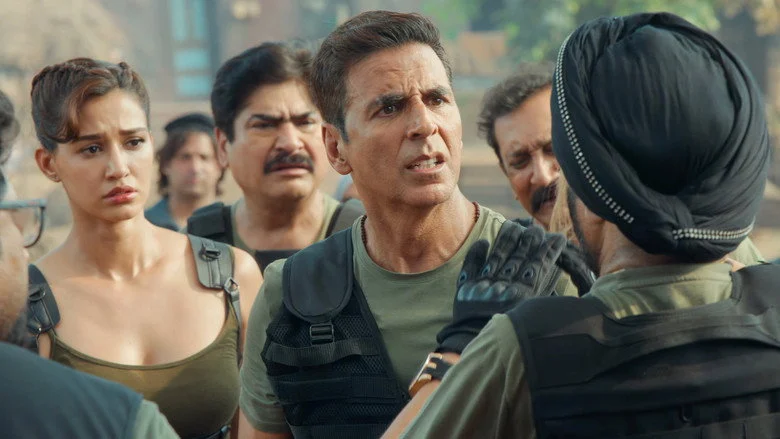
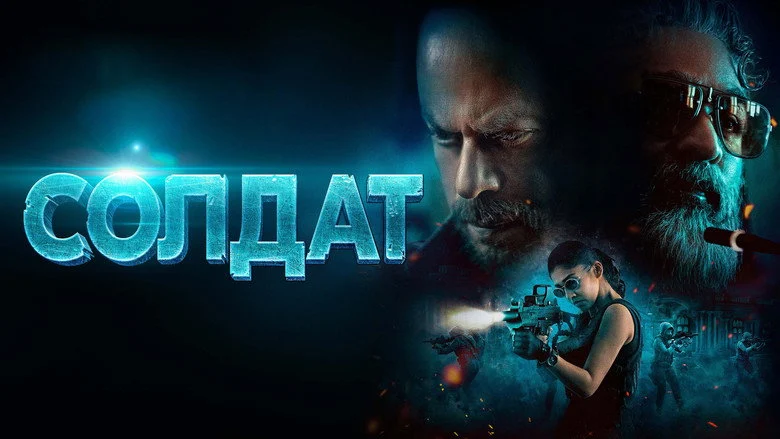
KD – The Devil (2026): Dhruva Sarja’s Transformation Drowns in Formulaic Loudness
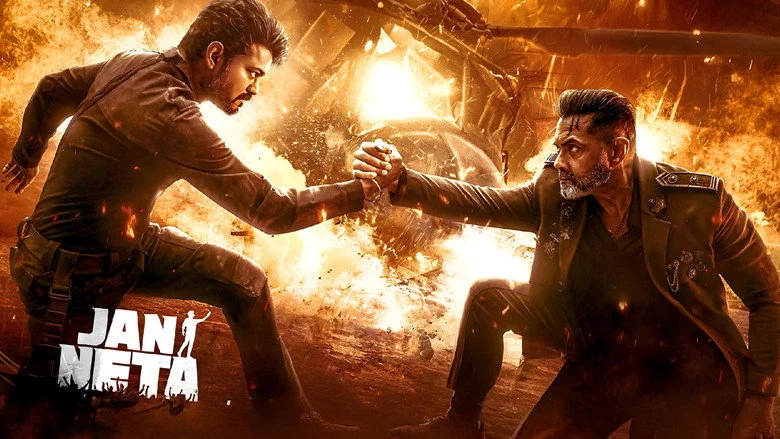
Kaali enters the underworld not as a desperate choice but as a whisper, a small-town man brushing against crime syndicates through circumstance, family tension, and the magnetic pull of a brother figure he both fears and admires. By the time Sudeep’s cameo crashes into the frame, the quiet man has vanished, replaced by a figure forged in violence and revenge, his rise marked by blood and betrayal.
Director Prem builds this transformation with family bonds as the emotional spine, yet the execution falters under a presentation so loud it drowns out nuance. What could have been a character study becomes a formula-driven exercise in excess, gory enough to earn an A certificate, uneven enough to confuse its own tonal intentions, and ultimately, a film that sustains interest through Dhruva Sarja’s screen presence alone rather than through the storytelling surrounding him.
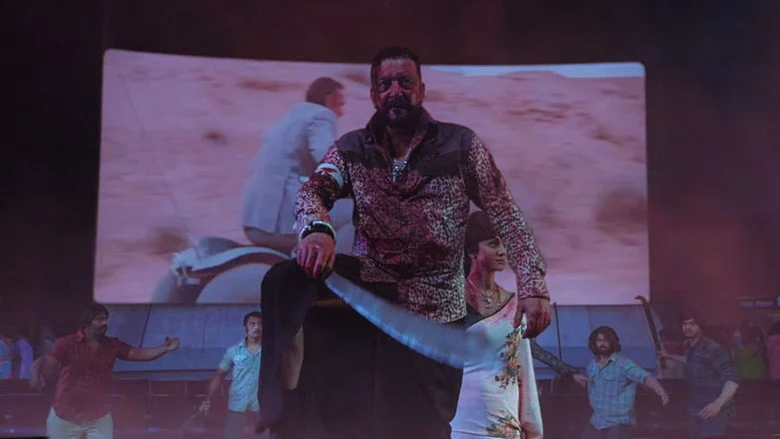
Dhruva Sarja carries weight that the script refuses to earn
Sarja’s central performance is the film’s only consistent anchor, pulling viewers through a narrative that shifts between intimate family conflict and explosive crime-world violence. His gradual slide from naïve underdog to feared figure has the shape of a proper character arc, even when the material around it grows increasingly unrefined. Reviewers noted his screen presence as sustaining the film through its most effective stretches, a quiet acknowledgment that without him, the loudness would collapse entirely into formula.
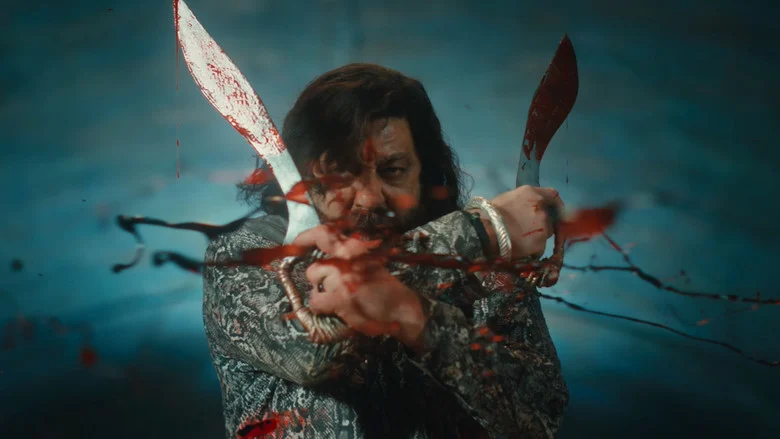
Prem’s direction isolates brilliance amid jarring tonal swings
The filmmaker captures isolated mass moments with genuine impact, Sudeep’s cameo landing as a high-energy beat, and uses brotherhood and family sentiment as recurring emotional anchors. Yet the overall presentation is compromised by uneven tone, formulaic structure, and an execution style that mistakes volume for intensity. The film frequently feels like two different movies fighting for control, one introspective and one explosively loud.
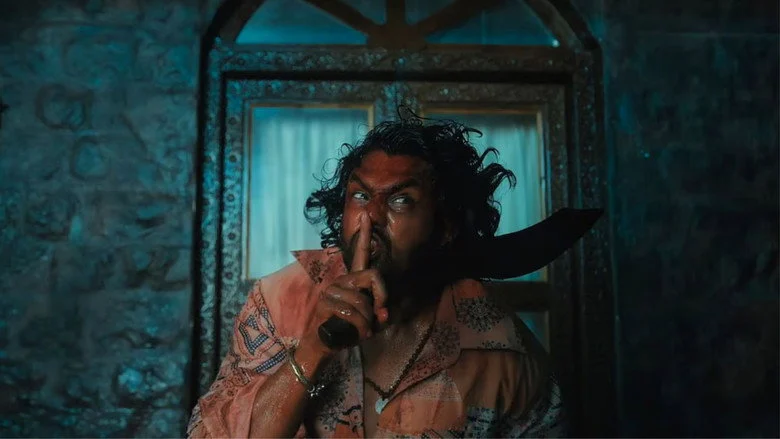
Gangster violence becomes the film’s defining limitation
The action-thriller framework relies on explicit violence as its primary storytelling device, with gore intense enough to trigger censorship restrictions and define the film’s identity. Sequences of gory execution and relentless brutality work as genre markers but feel excessive rather than purposeful, pushing the narrative toward sensationalism rather than psychological complexity. The A certificate becomes less a badge of artistic boldness and more evidence of tonal miscalculation.
Brother-sentiment confrontations position loyalty and fear inside the crime-drama framework, mining mythic parallels, Rama-Lakshmana, Rama-Bharata echoes, to give weight to the protagonist’s choices. These moments carry genuine emotional charge and explain why family bonds drive the action beats rather than simple greed or survival. Yet the film struggles to sustain this register when violence erupts; the tonal shift feels jarring rather than earned.
The film’s loud presentation overwhelms its emotional core, making quieter beats feel thin and explosive sequences feel gratuitous. What could have been a meditation on transformation becomes a high-decibel gangster narrative that confuses intensity with complexity. For viewers seeking character-driven crime drama, the excessive violence reads as distraction rather than necessity.
Kannada action cinema deserves deeper analysis, explore our Kannada Thriller reviews for more critical perspectives on the genre.
Sudeep’s cameo outshines the film’s structural foundations
Sudeep’s villainous presence is framed through brother-sentiment and mythic pairing rather than straightforward antagonism, making his appearance feel like an event rather than a narrative function. The cameo lands as the film’s most celebrated moment, a mass-oriented beat that audiences responded to with genuine enthusiasm. In a film struggling with overall coherence, his impact underscores how isolated excellence cannot salvage uneven foundational work.
The supporting cast exists without meaningful dramatic purpose
Reeshma Nanaiah as Lakshmi fills the love-interest framework within the family structure, present without being memorable. Sanjay Dutt, Shilpa Shetty, V. Ravichandran, Ramesh Aravind, Jisshu Sengupta, and Nora Fatehi populate the ensemble as credited names rather than fully realized characters, their presence suggesting a larger world that the screenplay never adequately explores. This casting breadth signals commercial ambition without narrative integration.
Skip KD – The Devil if you value restraint or character depth; watch only if you’re chasing Dhruva Sarja’s transformation arc or seeking gangster-action intensity unconcerned with tonal discipline. The film’s 141-minute runtime tests patience, and its formula-driven structure offers little reward for those expecting narrative innovation. Stream it in a format that lets you skip the loudest passages without guilt.
KD – The Devil is a formula-driven action-thriller where Dhruva Sarja’s genuine screen presence cannot compensate for loud execution and uneven tonal control, a 2.5/5 star effort that mistakes volume for artistry.
Like Karuppu’s restrained deity-lawyer mythology, this film attempts mythic parallels with its brother-sentiment architecture, though KD achieves far less control over its thematic intent.
Both films struggle with the balance between emotional family drama and explosive crime-world violence, a tension that Sampradayaini Suppini Suddapusaani navigates with slightly better structural discipline.

Ankit Jaiswal is the Chief Author, covering Indian cinema and OTT releases with honest, no-filler criticism. An SEO strategist by background, he brings a research-driven approach to film writing, cutting through hype to tell you exactly what's worth your time.