Krishnavataram Part 1: The Heart (Hridayam) (2026): The Heart (2026) – Siddharth Gupta Anchors Devotional Romance Over Epic Spectacle
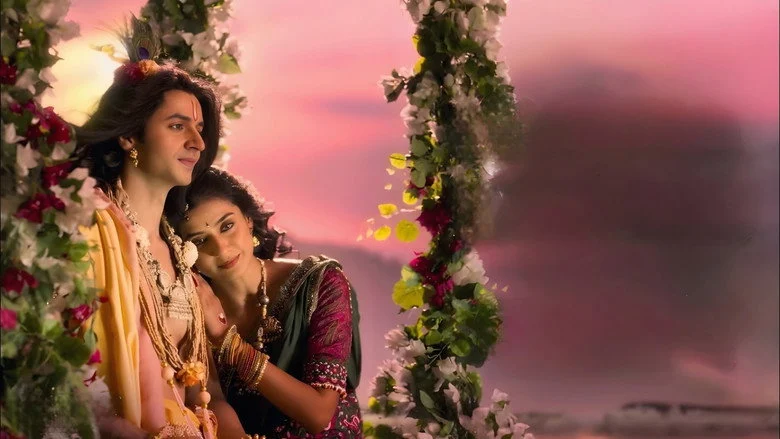
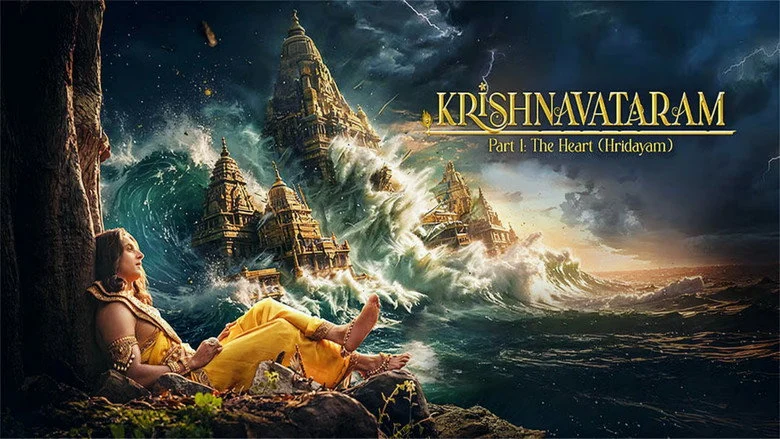
Krishna stands in the rain-soaked gardens of Vrindavan, his hand reaching toward Radha as she turns away—not in anger, but in the terrible clarity of duty. Hardik Gajjar’s *Krishnavataram Part 1: The Heart* opens not with divine fanfare but with the ache of human separation, a choice that sets the entire film’s emotional compass toward heartbreak masquerading as devotion.
For 150 minutes, this mythological drama refuses the battlefield heroics audiences might expect, instead embedding Krishna’s spiritual journey inside the fractured architecture of his relationships. It’s a bold gamble that mostly lands, though not without the weight of ambition crushing parts of its own narrative in the process.
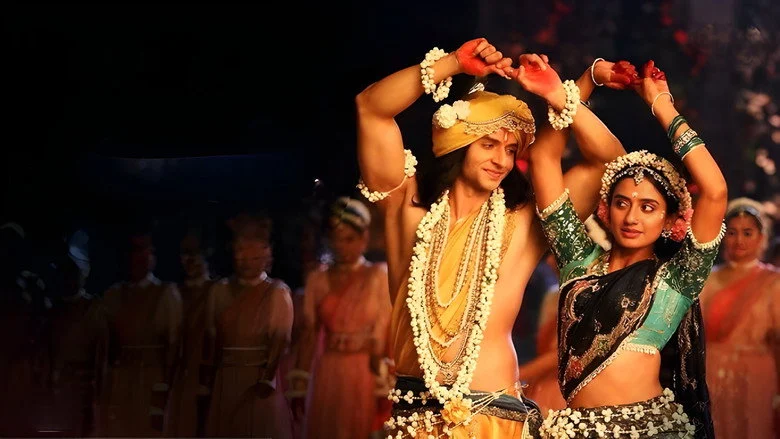
Siddharth Gupta’s Restraint Carries the Divine Burden
Siddharth Gupta moves through Krishna’s arc with a carefully calibrated emotional restraint that could have felt cold in less capable hands. His performance works because it resists romanticizing the character—instead, he presents a Krishna caught between romantic longing and the inexorable pull of duty, between the man who loves Radha and the god required to become something larger.
The strength of his work emerges in scenes where Krishna must accept separation, where divine purpose demands the sacrifice of personal attachment. This is a Krishna built on quiet suffering rather than swagger.
Gajjar’s Direction Reaches Beyond Its Grasp
Director Hardik Gajjar demonstrates clear command over devotional tone and visual grandeur, using the mythological setting to anchor philosophical conflict. His ability to connect private romantic turmoil to epic religious context shows conceptual ambition. Yet the screenplay—co-written by Gajjar with Prakash Kapadia and Raam Mori—stretches from Vrindavan through Dwarka to Kurukshetra without sufficient narrative room to breathe.
The film’s second half becomes visibly compressed, relationships stacking atop one another until emotional moments feel rushed rather than earned.
Romance and Devotion Compete for Narrative Space
The Krishna-Radha emotional material forms the film’s structural and dramatic spine, and it’s here that the first act finds its footing. Their separation sequence—the moment when romantic attachment yields to divine calling—generates genuine pathos because Gajjar allows the scene to linger. Sushmitha Bhat anchors this arc as Radha with a quiet dignity that transforms potential melodrama into something more complicated: the sorrow of being left behind by someone who must leave.
The introduction of Rukmini and Satyabhama in the second act should deepen Krishna’s moral complexity, yet instead feels like narrative obligation. Nivaashiyni Krishnan’s Rukmini represents marital duty, while Sanskruti Jayana’s Satyabhama carries jealousy and devotion, but neither relationship develops with the intimacy granted to the Radha storyline. The compressed structure allows only surface-level tension among the consorts.
The Dwarka-to-Kurukshetra journey that links personal relationships to the larger Mahabharata backdrop generates thematic weight, yet the pacing suffers as multiple emotional arcs demand resolution in diminishing screen time. Where the first half explores feeling, the second half increasingly narrates it.
For more perspectives on mythological romance in Hindi cinema, explore Hindi Drama reviews.
Supporting Cast Functions as Philosophical Mirrors
Sushmitha Bhat transcends the secondary-partner role by making Radha’s heartbreak the film’s emotional center of gravity. Her performance validates Gajjar’s choice to prioritize internal conflict over external drama. Sanskruti Jayana brings sharp-edged vulnerability to Satyabhama, making her jealousy read as legitimate pain rather than stereotype, though the role needed more space to fully articulate her arc.
Nivaashiyni Krishnan’s Rukmini functions less as a character and more as a narrative device—the “correct” choice that Krishna must accept. The casting signals the film’s intent to balance romantic idealism with dutiful pragmatism, yet Rukmini rarely transcends that thematic function into lived character.
Ambition Undone by Structural Compression
The film’s greatest weakness isn’t creative intention but architectural misjudgment. Gajjar attempts to contain a lifetime of Krishna’s relational complexity—from Radha in Vrindavan through marital duty in Dwarka to the spiritual catastrophe of Kurukshetra—within a single installment. The result feels like a four-hour narrative forced into a two-and-a-half-hour vessel.
Audiences have flagged this directly: narrative compression, pacing collapse in the second half, and the underdevelopment of secondary relationships all trace back to a fundamental structural problem. The film needed either significantly more runtime or a narrower thematic scope. Gajjar chose breadth over depth, and the cost is visible in scenes that shift rather than transition, in emotional moments that register as exposition.
*Krishnavataram Part 1* commits fully to a devotional-romantic reading of Krishna’s life that many family audiences and mythology enthusiasts will find genuinely moving. The first half builds real emotional stakes, and Siddharth Gupta’s measured performance carries considerable dramatic weight. But the second act’s narrative gridlock—too many relationships, too much mythological ground, too little time—transforms what could have been a genuinely singular vision into something closer to a illustrated summary.
Watch this for Gajjar’s willingness to prioritize emotional truth over battle spectacle, and for Gupta’s understated anchor work. Just know that devotional sincerity doesn’t entirely compensate for pacing that collapses under its own accumulated material. The film works best on its own terms, away from theatrical distractions.
*Krishnavataram Part 1: The Heart* is a respectful, emotionally engaged mythological drama elevated by Gupta’s performance, though compromised by structural ambition that exceeds its containment—a solid 3 out of 5 effort that reaches for something deeper than it ultimately achieves.
For similar exploration of devotion-centered storytelling, see how Chand Mera review balances personal attachment against larger narrative obligation.
Both films understand that Neelira verdict and mythological dramas share the challenge of grounding epic scope in intimate human consequence.

Ankit Jaiswal is the Chief Author, covering Indian cinema and OTT releases with honest, no-filler criticism. An SEO strategist by background, he brings a research-driven approach to film writing, cutting through hype to tell you exactly what's worth your time.