Aadu 3: One Last Ride Part 1 (2026): Shaji Pappan Returns, But For How Long?
Shaji Pappan is back, and if the subtitle promises anything, it promises finality, a last ride stretched, quite deliberately, across at least two parts. Midhun Manuel Thomas brings his most beloved chaotic creation back to theatres on March 19, 2026, and the weight of eleven years of franchise loyalty sits heavily on every frame.
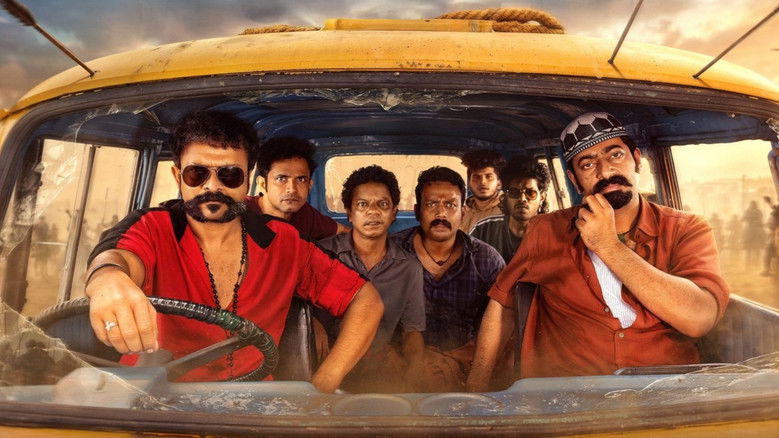
Jayasurya Carries the Franchise on His Back, and Mostly Holds It Together
Jayasurya has always been the irreplaceable engine of this franchise. Shaji Pappan is not a character you can reduce to quirks, he demands physical commitment, precise comic timing, and an almost reckless affection from the actor wearing him.
Jayasurya brings all of that again here. What he cannot fully compensate for is a screenplay that seems to be pacing itself for Part 2 rather than delivering a complete emotional arc within this runtime of two hours and twenty minutes.
Midhun Manuel Thomas Knows His World, But the Screenplay Stalls in the Middle
Midhun Manuel Thomas built something genuinely rare with the original Aadu in 2015, a lawless comedy that felt both anarchic and warm. He understands his ensemble like few directors understand theirs. The world of Shaji Pappan has its own internal logic, and Thomas is the only one who can navigate it.
The strength here lies in tone management. Thomas keeps the film from tipping into self-parody, which at this stage in a franchise’s life is genuinely difficult. But the screenplay, also written by Thomas, shows the strain of the Part 1 structure, it builds and builds without fully arriving anywhere.
I find this a recurring problem with Malayalam films that pre-announce sequels before the first film has landed: the storytelling instinct shifts from resolution to prolongation, and the audience feels the machinery beneath the curtain.
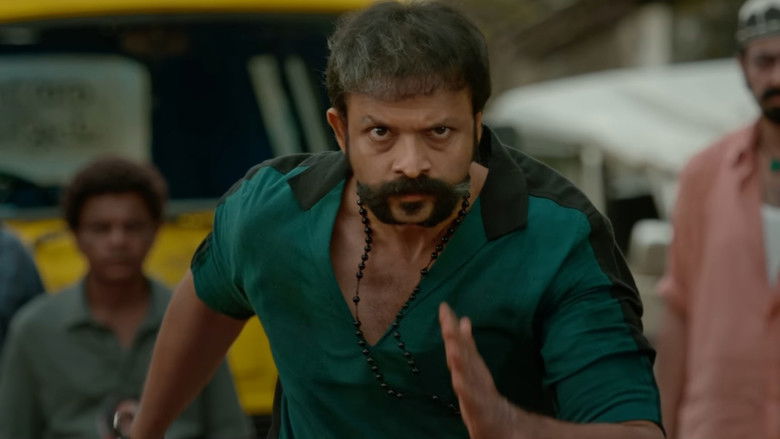
The Action Comedy Mechanics Work Better in Bursts Than as a Sustained Engine
The action comedy genre demands a very specific internal rhythm, physical chaos that is also emotionally legible, where you laugh because the stakes are simultaneously high and absurd. The Aadu franchise has always understood this contract.
In this third instalment, the comedy sequences land cleanest when the ensemble is operating together. The franchise’s signature brand of escalating nonsense, where one terrible decision compounds into another, is alive and functional here. Akhil George’s cinematography keeps the physical comedy grounded without sterilising it.
The fantasy elements, always a secondary register in this series, are used more ambitiously here. Whether that ambition is fully earned within Part 1 alone is a more complicated question. Shaan Rahman’s songs and Dawn Vincent’s background score do solid work holding the tonal shifts together without drawing attention to the seams.
If you want more Malayalam Fantasy reviews, the franchise’s long run makes it one of the most interesting case studies in contemporary Kerala popular cinema.
Saiju Kurup, Dharmajan, and Vinayakan Keep the Ensemble Honest
The supporting cast is, as it has always been, the secret structural support of this franchise. Saiju Kurup brings an effortless lived-in quality to every scene he inhabits. Dharmajan Bolgatty’s particular brand of panicked exasperation remains one of Malayalam comedy’s most reliable instruments.
Vinayakan is the wildcard, and the film uses him with appropriate unpredictability. Sunny Wayne and Indrans round out an ensemble that functions with genuine familiarity, these actors know each other, know these characters, and that comfort reads on screen.
Eleven Years of Goodwill Is Both the Film’s Biggest Asset and Its Trickiest Trap
There are no significant controversies surrounding this release, which in itself says something about how warmly the franchise is regarded by Malayalam audiences. The Aadu series has built a dedicated following across two films and more than a decade.
That goodwill is real capital. But it also creates a specific danger, the risk of coasting, of relying on affection rather than earning it scene by scene. Part 1 walks this line with reasonable care, though not always successfully. The audience that arrives already loving Shaji Pappan will find enough to sustain them. The audience arriving cold will find less.
If this franchise-closer lands the way it should, it belongs in the same conversation as Aadu 2‘s most inventive stretches, and that 2017 film remains the high watermark of the series for good reason.
Go for this one if you have earned your Shaji Pappan stripes across the first two films, the ensemble chemistry and Jayasurya’s performance justify the ticket, even if Part 1 is structurally incomplete by design. Viewers unfamiliar with the franchise will find themselves oddly outside the joke for long stretches. Watch it in a packed theatre if you can; this kind of comedy breathes better with a crowd around it.
Aadu 3: One Last Ride Part 1 is a functional, frequently funny, and occasionally frustrating franchise entry that earns a 3 out of 5, a film that clearly knows where it’s going, even if it won’t take you all the way there until Part 2.

Ankit Jaiswal is the Chief Author, covering Indian cinema and OTT releases with honest, no-filler criticism. An SEO strategist by background, he brings a research-driven approach to film writing, cutting through hype to tell you exactly what's worth your time.