Dhurandhar (2025): Akshaye Khanna Steals Spy Thriller From Ranveer Singh’s Undercover Mission
A RAW agent descends into Karachi’s criminal underworld, moving closer to a gangster boss with each calculated betrayal. By the time Akshaye Khanna enters as Rehman Dakait, the film stops pretending to be Ranveer Singh’s story and becomes an exercise in watching a villain consume the screen with nothing but a walk and a smirk.
Dhurandhar plants itself firmly in spy-thriller territory, building tension through espionage tradecraft rather than spectacle. Whether this gamble pays off depends entirely on whether you find Khanna’s presence, coiled, menacing, utterly magnetic, worth the film’s 212-minute commitment to getting there.

Ranveer Singh Arrives Too Late in His Own Story
Singh portrays Hamza Ali Mazari with lethal precision when the screenplay finally allows him to command the stakes. His performance matters most in Part 2, where he rises through Karachi’s ranks with the focused intensity the role demands. Yet Part 1 often sidelines his arc, treating him as setup for moments that don’t fully crystallize until later.
The problem isn’t Singh’s commitment, his key scenes deliver. It’s the structural imbalance that hobbles him. When he lands a patriotic final line (“ye naya India hai”), critics and audiences felt the strain of an ending trying to justify what came before rather than earn it organically.
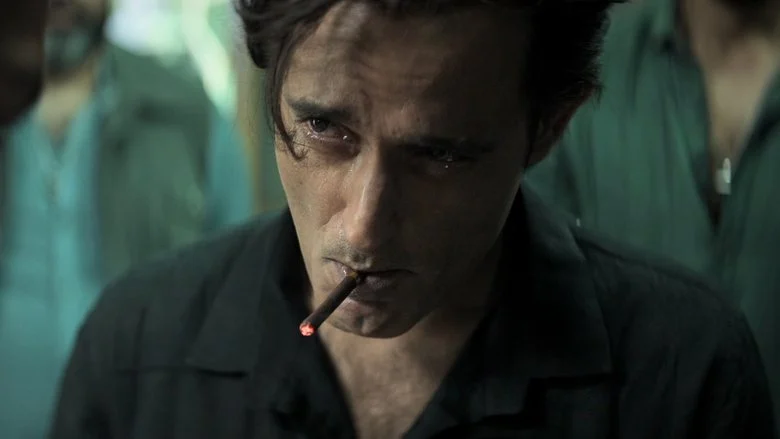
Aditya Dhar’s Chapter Structure Promises More Than It Delivers
The director organizes Dhurandhar into chapters, a device meant to echo spy-fiction classicism. This immersive approach works best when examining the ISI-Underworld nexus from within, territory the film explores with real specificity, drawing inspiration from actual covert operations. The bike chase sequences execute this spy-action tension competently, balancing kinetic movement with geographical clarity.
Where direction falters is in pacing. The chapter framework cannot compensate for narrative unevenness; the screenplay remains predictable despite its Shakespearean betrayal setup. Scenes that should feel inevitable instead feel inevitable in the wrong way, audiences anticipated them before the screenplay earned their weight.
The long runtime magnifies these structural weaknesses. Without clear separation between parts, the film drags toward stakes that genuinely matter only in Act 3. Some viewers praise Dhurandhar for delivering “where it matters most, ” yet that compliment itself signals that significant portions before the climax don’t pull their dramatic weight.
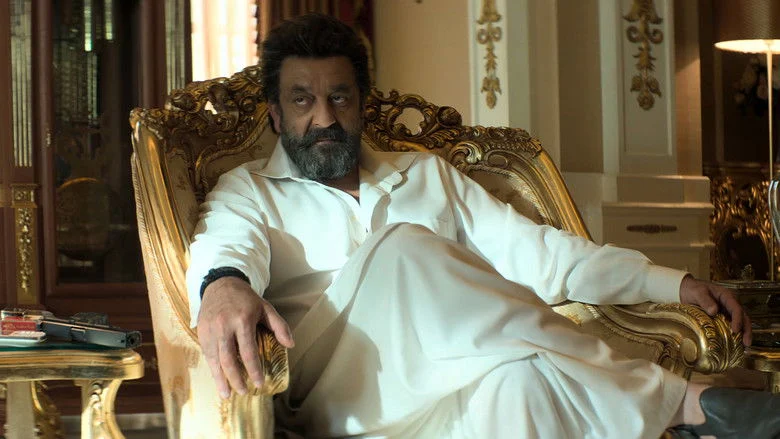
Madhavan’s Patriotic Speech Becomes the Film’s Self-Sabotage
R. Madhavan appears briefly but memorably, delivering a dialogue that becomes the film’s most debated moment: “Ek din aisa ayega jab jo desh ke bare me koi sochaga.” Audiences immediately flagged this sequence as heavy-handed, and the criticism stuck because the dialogue prioritizes nationalist messaging over character authenticity.
What’s telling is that this scene appears consciously designed to mirror, or answer to, the ending line Singh delivers later. Together, they frame the entire undercover operation not as espionage, but as ideological confrontation. For some viewers, this lands as thematic coherence. For others, it collapses into jingoism that the film’s thrilling surface-level plotting never justifies.
A Spy Thriller That Forgets Its Genre’s First Rule
The central conflict, destabilizing the relationship between Rehman and his political mentor Jameel Jamali, reads like classic covert tradecraft. Yet the film spends enormous energy immersing audiences in the Pakistani criminal underworld without ever making that immersion feel essential to the espionage itself. We watch Hamza infiltrate this world with precision, but the moral or strategic stakes of being inside remain fuzzy until the final act.
Khanna’s Rehman Dakait commands every scene through pure presence, yet even he becomes secondary to the film’s growing obsession with patriotic signposting. A villain who feels authentically dangerous in his own world, which is Khanna’s greatest gift here, deserves a story that treats that world as something more than ideological enemy territory to be destroyed from within.
Consider instead what makes the spy-thriller genre work: ambiguity, moral compromise, the agent’s fractured identity between worlds. Dhurandhar glimpses these elements in Khanna’s scenes but abandons them whenever the narrative needs to remind viewers whose side they should be on.
If you value strong antagonist work and don’t mind a sluggish build toward its climax, Dhurandhar earns a theatrical watch, preferably for the action sequences that justify Dolby Atmos. The bike chase alone justifies some of the runtime. But go in knowing Part 1 functions primarily as setup, with the film’s genuine stakes concentrated in its second half. Streaming will arrive in late January, which may be the kinder way to experience it, allowing you to pause through the heavier passages.
Dhurandhar commits to ambitious spy-thriller ambition but undermines itself with patriotic grandstanding that drowns out the genuinely compelling undercover work, I’d rate it 2.5/5 stars for those patient enough to sit through its structural missteps.
For more on how thriller narratives navigate political messaging, explore our Accused review to see how other recent films have handled similar pressures.
Similar tensions between undercover immersion and ideological clarity drove another recent thriller; see how Bhishmar verdict played out in that narrative as well.

Ankit Jaiswal is the Chief Author, covering Indian cinema and OTT releases with honest, no-filler criticism. An SEO strategist by background, he brings a research-driven approach to film writing, cutting through hype to tell you exactly what's worth your time.
