Accused (2026): A Netflix Thriller That Forgets To Thrill Its Intended Audience
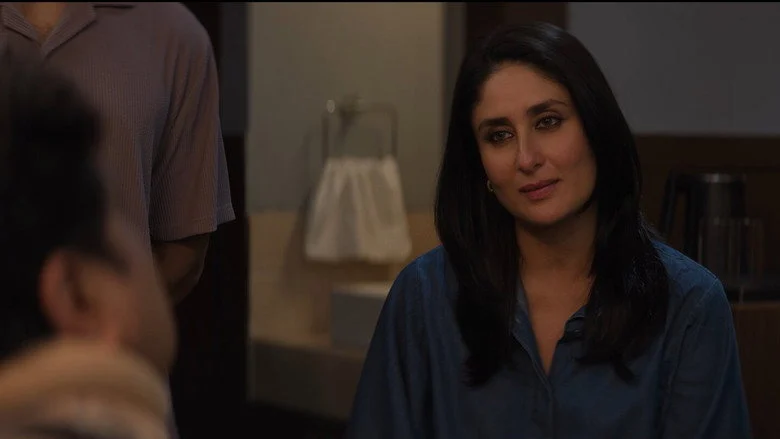
Dr. Geetika Sen stands in a London operating theatre, calling a colleague’s surgical work “a bloody disaster” and “this mess” she has to tidy up. She’s abrasive, brilliant, and about to have her entire world dismantled by accusations she didn’t invite. For audiences seeking a taut psychological unraveling, this Netflix original promises intrigue but delivers listlessness instead.

Konkona Sen Sharma Carries Weight The Script Won’t Shoulder
Sen Sharma navigates Geetika’s spiral with measured restraint, never overplaying the paranoia that should consume someone watching their career implode. When anonymous sexual misconduct complaints surface and her adoption process with wife Meera collapses, she registers shock without melodrama. The performance holds complexity, Geetika is genuinely difficult, genuinely wronged, but the material beneath her flattens into procedural tedium. Sen Sharma’s commitment to queer representation in Indian cinema continues here, yet the character exists more as a symbolic vessel than a fully realized person caught in crisis.
Anubhuti Kashyap’s Direction Mistakes Restraint For Momentum
Kashyap stated she aimed to investigate “what occurs when clarity is elusive, ” and she achieves that, perhaps too well. The film’s refusal to sensationalize becomes its structural weakness. Emotional restraint hardens into inertia. Where ambiguity should create tension, it instead creates drift. The strength lies in centering the accused’s perspective, a rare choice in Indian cinema addressing workplace power dynamics and #MeToo resonance. But the execution confuses withholding information with sustaining interest.
This Psychological Thriller Barely Registers A Pulse
The genre demands psychological escalation, yet Accused moves through its investigation with procedural flatness. Anonymous complaints arrive. External investigator Jaideep Bhargav interviews witnesses. Past relationships with former intern Natasha and ex-partner Sophie surface as suspicious threads. Each revelation should tighten the noose; instead they accumulate like paperwork.
The home break-in, planted evidence tied to hospital patient David Brown, offers a moment for genuine paranoia to ignite. But Kashyap films it with the same muted palette used for quieter confrontations, draining potential menace. Mystery mechanics require misdirection and discovery beats. Here, the mystery unravels not through investigation craft but through expository revelation: Dr. Logan, rival for the dean position, orchestrated everything out of professional jealousy. The least interesting resolution imaginable.
Roger Moore of Movie Nation captured the fundamental failure: “Indian Romantic Thriller shows No Guts and No Romance means No Glory.” The romance between Geetika and Meera flatlines because the script treats their marriage as plot machinery rather than emotional core. When Meera hires a private investigator after discovering concealed meetings, the betrayal should devastate. It registers as procedural complication instead.
Pratibha Rannta And Monica Mahendru Work Against Thin Material
Rannta described playing Meera as “navigating that complicated space where trust is desired, yet one’s heart remains uncertain.” That internal conflict never fully materializes on screen. She signals doubt and wounded intimacy, but the screenplay gives her reactive beats rather than active emotional architecture. The marriage feels like a concept the film references rather than inhabits. When Geetika apologizes in the final act and they leave together toward reconciliation, it should land as earned catharsis. It lands as narrative obligation.
Monica Mahendru’s Simran, the HR head who files the initial complaint, is described as “entirely too tolerant” of Geetika’s abusive behavior before finally acting. That tolerance could illuminate institutional complicity or personal conflict. Instead, Simran exists to trigger the plot mechanism. Mashhoor Amrohi’s investigator Jaideep and Sukant Goel’s private investigator function similarly, present to advance procedure, absent as dimensional presences. Kallirroi Tziafeta appears as Geetika’s restaurateur ex-partner, another relationship fragment that promises complication but delivers exposition.
For viewers curious about Hindi Thriller reviews, this contrast between polished production and hollow execution becomes instructive.
Class Audiences Will Recognize Ambition That Forgets Its Function
The film wants credit for tackling #MeToo dynamics within medical hierarchy, for centering a queer protagonist, for avoiding easy moral binaries. Those ambitions deserve acknowledgment. But Accused commits the cardinal sin of presuming thematic importance compensates for narrative engagement. At 1 hour 47 minutes, the runtime suggests economy, yet pacing drags because emotional stakes never ignite. The film shuns sensationalism so thoroughly it forgets sensation entirely, the visceral experience of watching someone’s life disintegrate under scrutiny, the dread of false accusation weaponized by envy.
Geetika declines the deanship after her name clears, acknowledging her personal shortcomings. It’s meant as character growth. It feels like the script finally noticing it built a protagonist but forgot to give her an arc beyond victimhood and vindication. Polished costumes and London settings cannot disguise that the production values exceed the story’s pulse.
This is a film for viewers who prioritize representation over execution, who value seeing queer relationships and professional women navigating systemic bias even when the storytelling remains inert. If you expect a psychological thriller to unsettle or a mystery to genuinely mystify, you’ll find polish without purpose. Watch it on Netflix if the subject matter compels you, but temper expectations for tension the film never generates.
Accused (2026) earns acknowledgment for its thematic ambitions and Sen Sharma’s committed performance, but as a thriller meant to grip audiences, it stumbles badly, 2.5 out of 5.
Bhishmar review also wrestle with tonal ambition colliding with execution limits.
Kissa Court verdict similarly examines institutional credibility erosion through individual crisis, though with sharper procedural focus.

Ankit Jaiswal is the Chief Author, covering Indian cinema and OTT releases with honest, no-filler criticism. An SEO strategist by background, he brings a research-driven approach to film writing, cutting through hype to tell you exactly what's worth your time.