Everybody Loves Sohrab Handa (2026): Vinay Pathak Delivers but Rajat Kapoor’s Script Stalls
Raman and Jayanti gather friends and family at a Himachal Pradesh mansion for their 10th anniversary, the wine flows, parlor games begin, and Sohrab Handa insults everyone in the room with drunk precision. By midnight, someone slits his throat. The film announces itself as a whodunit but never commits to making you care who actually did it.
Vinay Pathak Makes Handa Insufferable With Conviction
Pathak plays the loud, politically incorrect guest who weaponizes every conversation, turning toasts into takedowns and banter into blood sport. He offends with such effortless rhythm that awkward silences become the party’s real soundtrack. His brash cynicism lands without overreach, making Handa both victim and walking provocation. Pathak never apologizes for the character, and that refusal to soften edges is the film’s sharpest asset.

Kapoor’s Direction Peaks Early Then Loses Nerve
Rajat Kapoor builds initial tension by intercutting Inspector Afzal Qureshi’s interrogation with flashbacks of the same guests laughing hours earlier. The structure peels back motives layer by layer, exposing microaggressions hidden inside polite conversation. But the screenplay stumbles into predictability once the non-linear tricks exhaust themselves. Kapoor recycles the same party-turns-crime-scene template from his 2019 film Kadakh, right down to the overlapping cast and dead body reveal, without adding fresh procedural weight or psychological depth.
The Mystery Telegraphs Its Moves Too Soon
Handa’s body is discovered after the party games end, turning celebration into suspicion with mechanical precision. The film reveals secrets through police questioning, but every motive arrives exactly when expected. Generational abuse and repressed masculinity surface as thematic anchors in the final act, framing complicity as shared responsibility. The twist riffs on privilege and indulgence rather than delivering genuine procedural surprise.
Flashbacks expose resentments simmering under festive politeness, but the investigation never escalates beyond comfortable crosscutting. The whodunit structure promises edge-of-the-seat suspense yet settles for atmospheric unease. Kapoor withholds information without building dread, mistaking narrative shuffling for tension.
By the time the film names its culprit, the reveal feels like confirmation rather than discovery. The screenplay’s reliance on microaggressions as evidence drains urgency from the central murder. What should feel like a tightening noose instead plays like a leisurely dissection of messy friendships with a corpse as backdrop.
Koel Purie Commands Attention as Isha Handa
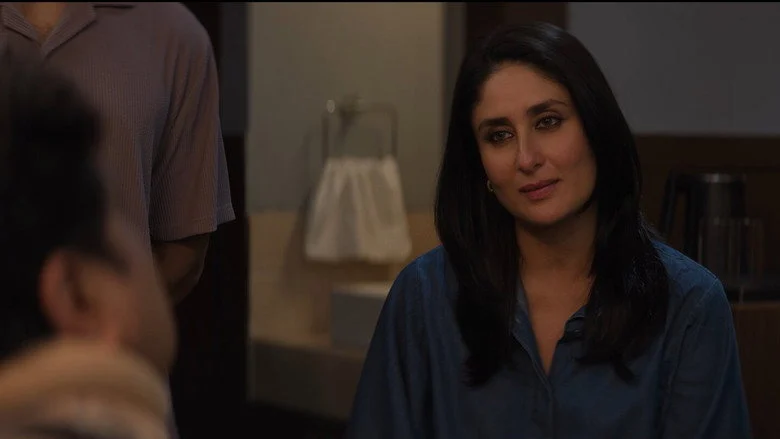
Purie stands out as the emotionally volatile, pill-dependent wife whose unpredictability injects genuine discomfort into every frame she occupies. She doesn’t need dialogue to communicate fracture; her physical unease does the work. Palomi Ghosh and Waluscha De Sousa lend credible support, their performances calibrated to the film’s tonal demands without showboating. Saurabh Shukla as Inspector Qureshi anchors the interrogation scenes, though the script gives him procedural dialogue instead of psychological leverage.
For fans of whodunit mysteries and ensemble dramas that prioritize banter over bloodshed, Hindi Drama reviews offer deeper dives into how Kapoor’s style stacks against genre peers.
Familiarity Dilutes What Could Have Been Dangerous
The film moves briskly and never overstays its welcome, clocking in at a runtime that respects the premise’s limitations. But familiarity breeds predictability here, and the overcrowded narrative splits focus across too many guests with competing motives. I found myself checking the clock not from boredom but from certainty about where each reveal would land. The performances rescue individual scenes, yet the screenplay refuses to take risks that would justify revisiting Kapoor’s own earlier territory.
Watch on OTT if You Value Sharp Actors Over Sharp Turns
If you expect a murder mystery to redefine the whodunit or deliver sustained suspense, this will disappoint. If you value witty banter, authentic relationship mess, and solid ensemble work over procedural innovation, the film offers enough to justify a single watch. ZEE5 suits it perfectly, easy to start, easier to pause, hardest to remember the next morning.
Pradeep Ranganathan’s directorial instincts in Love Insurance review wrestle with similar overcrowding, where too many subplots dilute a central conceit that needs focus.
Everybody Loves Sohrab Handa promises a murder investigation but delivers a gentle character study that never earns its corpse, landing at 2.5 out of 5 for performances that deserve a tighter script.
Rajat Kapoor and Adivi Sesh both anchor narratives where ambition outpaces execution, as seen in Dacoit verdict where restraint becomes limitation.

Ankit Jaiswal is the Chief Author, covering Indian cinema and OTT releases with honest, no-filler criticism. An SEO strategist by background, he brings a research-driven approach to film writing, cutting through hype to tell you exactly what's worth your time.