Dhood (Sandstorm) (2026): Yashpal Sharma Anchors a Thar Desert Standoff That Withholds Too Much
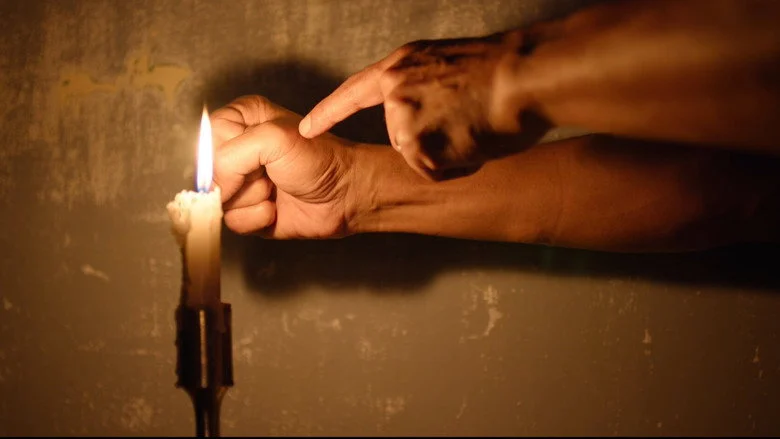
The sand does not move in the opening stretch of Dhood. That stillness is the point. Anand Singh Chouhan wants you to feel the weight of a household that has nowhere to run.
A Rajasthani Thriller That Mistakes Withholding for Tension
Set in the early 1990s inside an isolated Thar Desert home, the film opens on a family governed by lineage, duty, and the quiet violence of inherited authority. The premise is sharp: preservation curdles into possession.
Chouhan stages the first act as a slow burn, letting the desert’s emptiness press against the walls of the family compound. Yet the screenplay too often confuses silence with suspense, holding back information that the audience needs to invest in the people on screen.
The promotional framing promises “greed, power, desperation”, a dark domestic countdown. What the film delivers is closer to a series of withheld glances and unfinished arguments, a pressure cooker that never quite seals.
Yashpal Sharma Holds the Frame, but the Script Leaves Him Alone
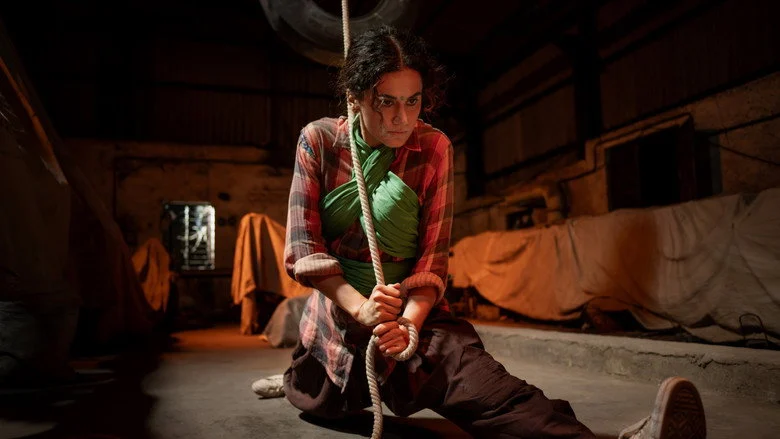
Yashpal Sharma carries the film’s weight in his shoulders and his pauses. He plays a patriarch whose authority has calcified into something harder, and the physical detail is telling: the way he sits without settling, hands folded like a man guarding a door even when none is there.
Sharma has always been a performer who works in the margins, his turn in Momacu proved he can anchor desperation without raising his voice. Here, that restraint is both the film’s greatest asset and its most frustrating limitation.
Alka Amin brings a different register entirely, her stillness suggesting a woman who has learned to read the room before she speaks. But the screenplay gives her too few rooms to read, and the supporting ensemble, identified in the credits but barely individuated on screen, blurs into a single mass of family obligation.
The Desert as Pressure Chamber, Not Postcard
The film’s most confident choice is its refusal to romanticize the Thar. The cinematography favors long, flat sightlines and interiors lit like caves, the sun outside functioning as a threat rather than a backdrop.
This is a wiser spatial instinct than the one that undid Pehla Pyaar Doosri Baar, which mistook pretty framing for emotional clarity. Chouhan understands that isolation is a texture, not a plot point.
Where the film stumbles is in its refusal to let that texture breathe into dialogue. The “dark domestic countdown” never quite ticks, because we are never given a clear clock, no deadline, no external threat, no ticking inheritance dispute that forces hands.
The Ending Withholds the One Thing It Owed Us
Without spoiling what the film does not earn, the climax arrives with a whimper of implication rather than a crack of consequence. The lineage conflict resolves in a way that feels less like a revelation and more like a shrug.
That is a shame, because the genre apparatus is all there. The family home as pressure chamber, the early-1990s social order as a cage, the greed that turns kinship into a ledger, these are the bones of a genuinely suffocating thriller.
What Dhood lacks is the courage to let its characters say what they want. Compare it to the more assured tension-building of Tu Hai Meri Kiran, which understood that a thriller’s silence must be earned by what precedes it.
What Soul of Desert Production Is Betting On
Presented by Kalam Academy and Samar Jain, with Soul of Desert Production and Ainak Co-Labs behind the camera, Dhood is being positioned as a landmark: the first Rajasthani-language film planned for a pan-India theatrical release.
That ambition is real, and the film’s regional specificity is its commercial identity. But the theatrical market for a slow-burn desert drama without a recognizable star vehicle or a clear genre hook is unforgiving, especially in a season crowded with louder releases.
Sharma’s box-office leverage is strongest when he is a supporting texture in a larger canvas, Lagaan, Gangaajal, rather than the marquee name. Asking him to carry a film’s commercial weight is a gamble that the marketing has not yet justified.
For the producers, the bet is on prestige and regional-first positioning rather than opening-weekend fireworks. That is a defensible strategy, but it requires a film that audiences will recommend without hesitation. Dhood does not quite clear that bar.
This patient, region-specific approach signals a welcome tonal maturity across contemporary hindi thrillers, even when the execution falls short of the ambition.
The Verdict: A Sandstorm That Never Quite Arrives
Dhood is a film of real atmosphere and one genuinely commanding performance, but it mistakes reticence for depth. The desert is a character; the family is a set of silhouettes.
Chouhan has an eye for place and a feel for the weight of tradition, but he has not yet learned that a psychological thriller must eventually let its characters collide. The film’s final image lingers, but it lingers over a question the screenplay never had the nerve to ask out loud.
For a story about a family that cannot speak its truth, the irony is that the film itself remains tongue-tied. The sand settles. The storm stays off-screen.

Ankit Jaiswal is the Chief Author, covering Indian cinema and OTT releases with honest, no-filler criticism. An SEO strategist by background, he brings a research-driven approach to film writing, cutting through hype to tell you exactly what's worth your time.