Doosra (2026): Plabita Borthakur Anchors a Bold Docu-Fiction Experiment That Fumbles Its Own Parallel
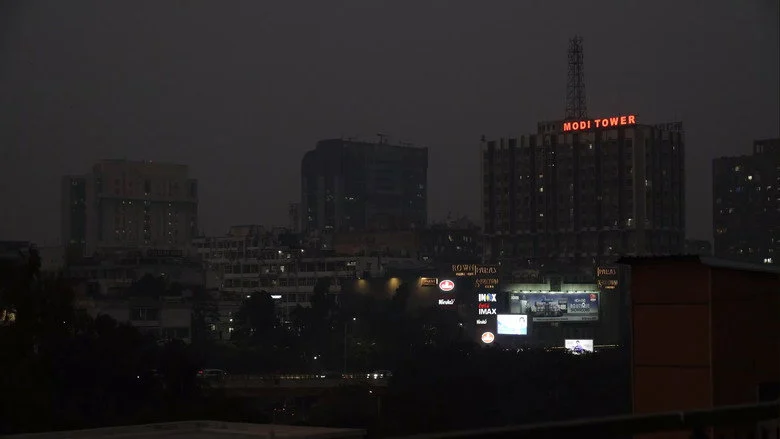
Abhinay Deo opens on a 1990s India running on fumes and liberalisation, then asks a Rajasthani girl to carry the whole national mood in her shoulders. The ambition is real; the balance is not.
When a National Gesture Becomes a Girl’s Private Vocabulary
The film’s central wager is elegantly simple: Sourav Ganguly peeling off his shirt at Lord’s in 2002 gives Tara a grammar for refusal she could not otherwise articulate.
Watching that televised celebration from inside a household that polices her posture, Tara isn’t learning cricket. She is learning that public defiance is survivable.
It is the kind of conceptual bridge that could have carried an entire film. Instead, Deo treats it as a thesis to be restated rather than a dramatic engine to be tested.
The Docu-Fiction Format Keeps Stealing the Film Back
Every time the domestic drama begins to breathe, the archival cricket material shoulders its way back in, as if the film trusts the historical record more than its own fiction.
The result is a seventy-eight-minute feature that feels simultaneously compressed and padded. The decade-spanning montage establishes context with impressive efficiency, then leaves Tara’s family relationships stranded in outline.
Just as he demonstrated a tighter spatial discipline in Dhood (Sandstorm), Deo understands how to withhold. The problem here is that he withholds the wrong things, the confrontations, the silences, the accumulating domestic pressure that would make Tara’s final assertion land.
Plabita Borthakur Builds a Performance Out of Suppression
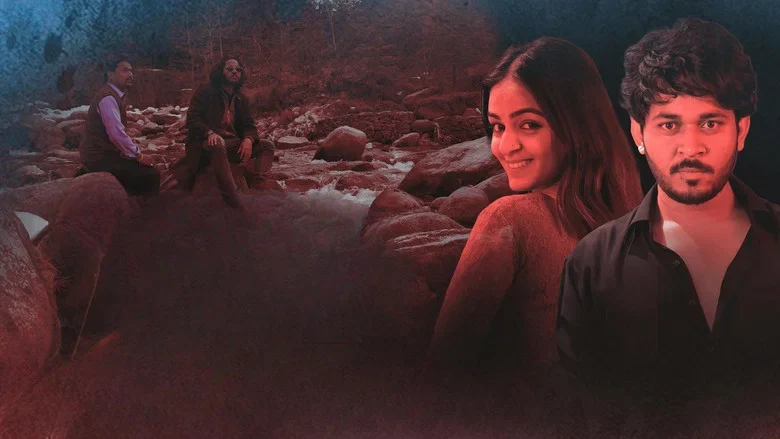
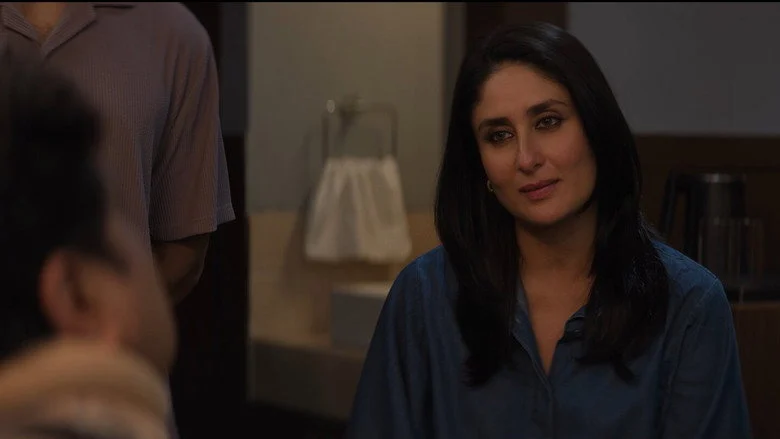
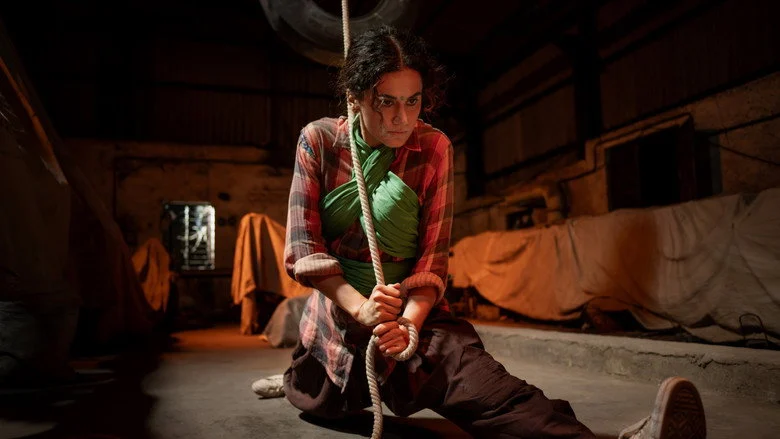
Borthakur’s Tara is not a conventional sports protagonist, and the actress plays her as a woman who has learned to shrink her own physical footprint inside her own home.
Watch how she occupies a room: shoulders angled toward exits, eyes tracking her father’s tone before his words land. When she watches Ganguly on television, her stillness is not passive, it is the stillness of recognition.
The restrained physical exhaustion she brings to the final confrontation recalls the psychological weight of her turn in Pehla Pyaar Doosri Baar, though here the material gives her fewer scenes to earn the release.
Ankur Vikal’s father is the film’s true antagonist, and he operates through surveillance rather than spectacle, a glance at a doorway, a correction delivered in a flat register that treats disobedience as a household management problem.
The Domestic Spaces Are the Real Arena, and They’re Underfurnished
The film’s visual logic is clean: the enclosed Rajasthan household against the expansive public spectacle of Lord’s, with the television screen as the only bridge between them.
Ram Sampath’s score carries the period and the cricketing momentum, though it is asked to do emotional work the screenplay has not completed.
The supporting household, Samidha Guru’s compliant mother, the gendered privilege of Tara’s older brother, sketches a generational contrast that never receives the sustained scene development it needs to sting.
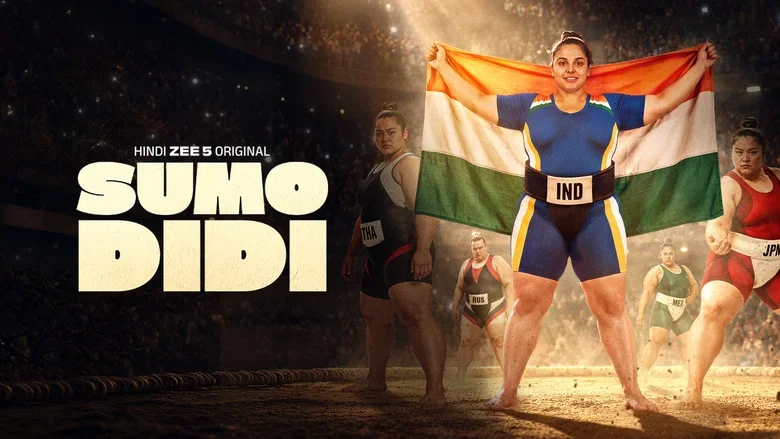
The screenplay resists the kinetic sensationalism that overtook Sumo Didi, opting instead for a deliberate, suffocating domestic dread. But dread without confrontation eventually becomes atmosphere, and atmosphere cannot substitute for drama.
The Parallel Is Intellectually Elegant and Dramatically Underfed
Deo’s strongest directorial choice remains the use of a nationally familiar image to externalise a private desire for freedom. His weakest is trusting that the parallel alone constitutes the story.
By the time the NatWest climax arrives, India’s victory feels fully earned and Tara’s liberation feels announced. That asymmetry is the film’s central failure.
This patient character study signals a welcome tonal maturity across contemporary Hindi dramas, but maturity without dramatic rigor is just restraint for its own sake.
The Studio Balance Sheet and the Limits of the Hybrid Format
Produced by Masha and Rohan Sajdeh with Neeta Shah co-producing, the film arrives without a major studio banner to absorb its commercial risk, a structural vulnerability for a docu-fiction experiment in a market that rewards familiar sports templates.
The seventy-eight-minute runtime is a genuine asset for exhibition flexibility, but it also signals a production that knew its ceiling. The regional remake pipeline and cricket-nostalgia economy have trained audiences to expect triumph; this film offers ambivalence.
Borthakur’s theatrical leverage remains that of a respected character actor rather than a box-office draw, which places the film’s commercial fate squarely on word-of-mouth from cricket-literate urban audiences.
A Film That Trusts History More Than Its Own Heroine
The ending connects national self-expression and personal liberation as forms of freedom, and the idea is genuinely moving in theory.
In practice, the film has spent so much time revering Ganguly’s gesture that Tara’s own moment of refusal arrives as an echo rather than an origin.
Doosra is a promising experiment that mistakes parallel structure for dramatic development, a film more interested in the symmetry of its own design than in the girl standing at its center.

Ankit Jaiswal is the Chief Author, covering Indian cinema and OTT releases with honest, no-filler criticism. An SEO strategist by background, he brings a research-driven approach to film writing, cutting through hype to tell you exactly what's worth your time.