Awarapan 2 (2026): Emraan Hashmi’s Brooding Return Tests Sequel Logic
There is a moment in Awarapan 2 where Emraan Hashmi’s Shivam Pandit stands still, letting the weight of his past settle on his shoulders, and you remember why this franchise meant something to a generation that grew up on brooding anti-heroes. The sequel, directed by Nitin Kakkar, extends that mythos into a new decade, but the journey from the 2007 original to this 2026 continuation is not a smooth ride.
The central conflict here is straightforward: Shivam continues his path of redemption while confronting unresolved personal and external conflicts tied to his past. That premise, promising on paper, gets tangled in a screenplay by Bilal Siddiqi that struggles to balance the film’s four competing genres, action, drama, romance, and thriller, without letting any of them breathe fully.
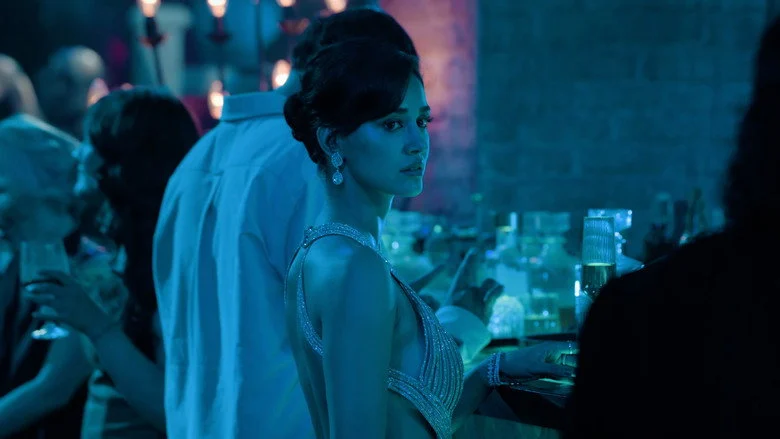
Emraan Hashmi’s Silence Speaks Louder Than The Script
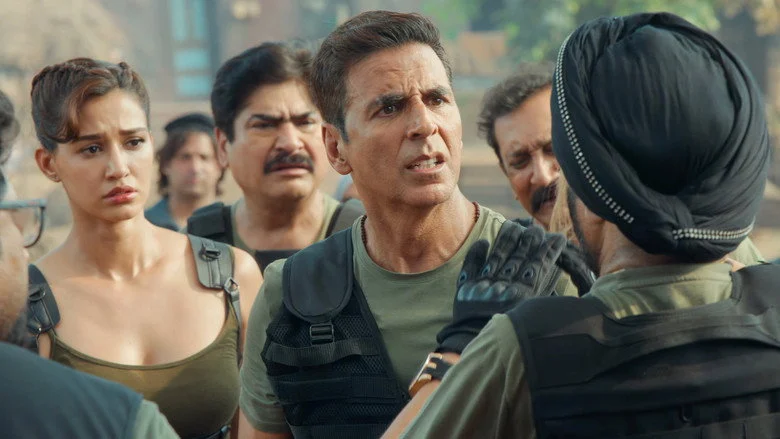
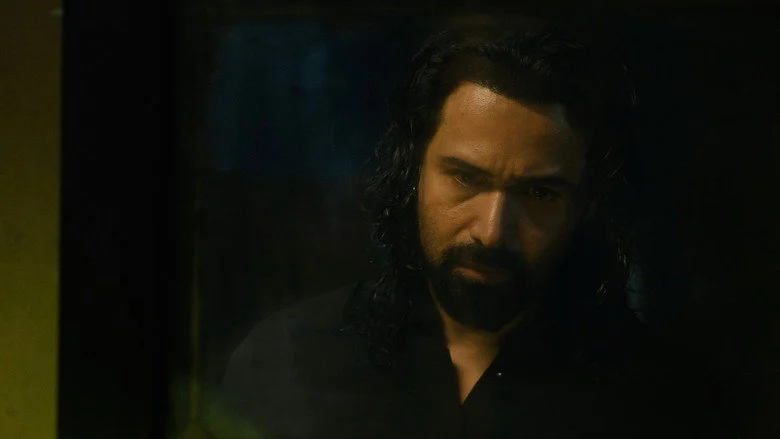
Hashmi has always been an actor who understands that restraint is a weapon. His Shivam carries the same haunted quality that made the original Awarapan a cult favourite, but this time around, the character feels more like a collection of moody close-ups than a fully realised man.
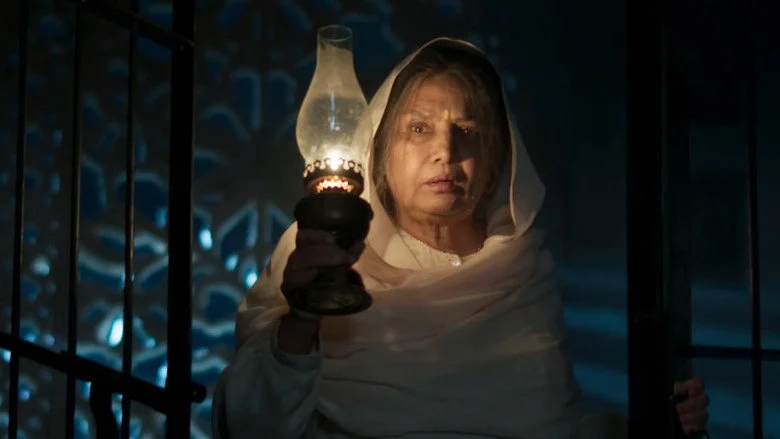
When he shares the frame with Shabana Azmi, who plays Nafisa, the film suddenly finds a pulse it has been missing. Their scenes together hint at a deeper emotional core that the screenplay never quite commits to exploring.
Hashmi’s performance is never the problem. The problem is that the film doesn’t trust its lead actor to carry silence, so it fills the gaps with exposition and plot mechanics that dilute his impact.
Nitin Kakkar’s Direction: Strong Instincts, Weak Follow-Through
Kakkar, known for his grounded storytelling, brings a certain visual seriousness to the project that elevates it above typical franchise fare. He shoots Hashmi with a respect that most action directors wouldn’t bother with, treating the actor’s face as a landscape worth exploring.
But the screenplay’s structure lets him down. The narrative meanders between genres without committing to any of them, and the pacing in the middle stretch feels like a film that doesn’t know what it wants to be when it grows up.
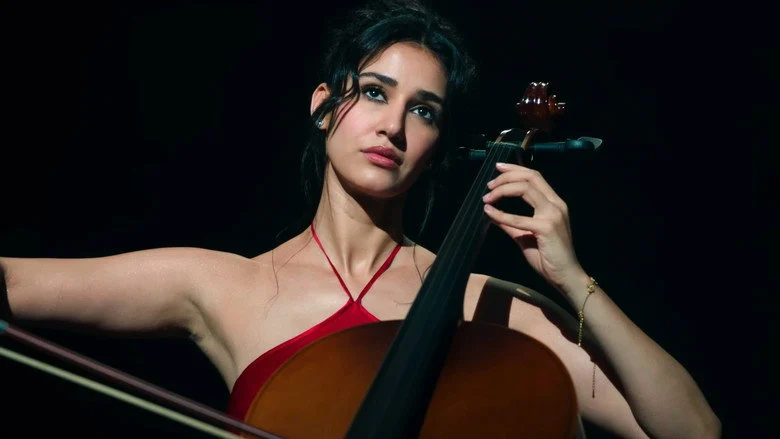
There is a specific flaw worth naming: the film introduces a romantic thread with Disha Patani’s Zara that feels bolted on rather than woven into the fabric of Shivam’s redemption arc.
The Action Genre: Setpieces That Promise More Than They Deliver
For a film that lists action as its primary genre, Awarapan 2’s setpieces are surprisingly restrained. The choreography is competent but lacks the inventive geography that separates memorable action sequences from filler. When Shivam moves through a confrontation, you feel the intent but not the impact.
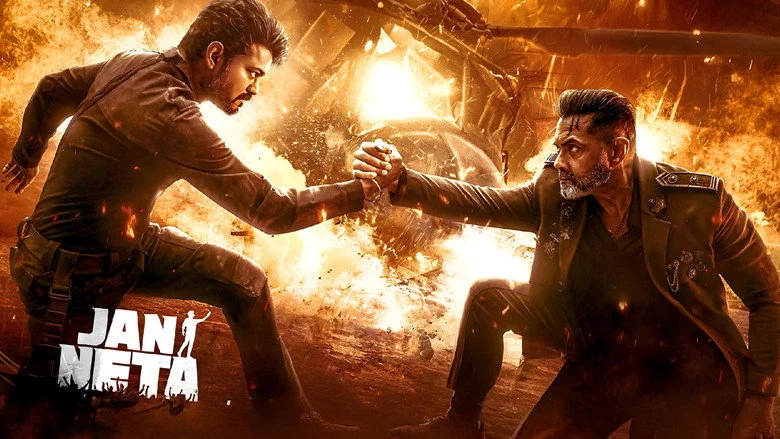
The antagonist, Zorawar, played by Puran Gabbi, is positioned as a formidable presence, but the film doesn’t give him enough confrontational space to establish genuine menace. The action scenes between him and Hashmi feel truncated, as if the editor was told to keep things short rather than let them build.
What works in the film’s favour is its refusal to go full masala. The violence is measured, almost contemplative, which suits Hashmi’s sombre register. But for audiences expecting the visceral thrills of modern Hindi action cinema, this will feel underwhelming.
Supporting Cast: Shabana Azmi Anchors, Disha Patani Struggles
Azmi’s Nafisa is the film’s emotional backbone. She brings a lived-in quality to her scenes, making you wish the film had given her more to do. Her presence signals a certain seriousness of intent, this is not just another forgettable sequel, it’s a film that wants to be taken seriously.
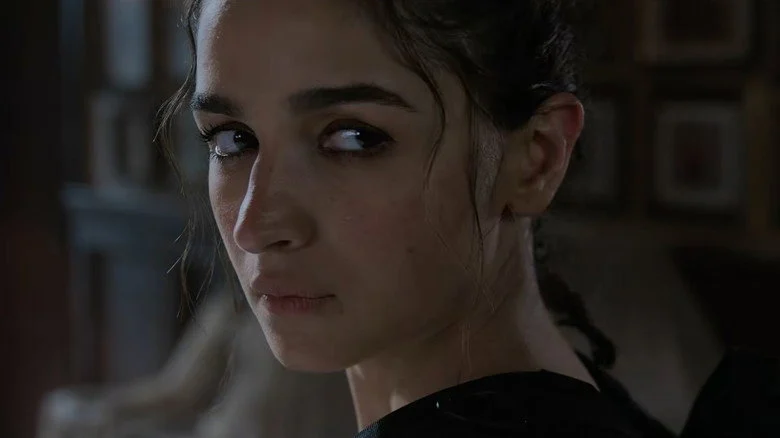
Patani, on the other hand, is miscast. Her Zara lacks the internal conflict that the role demands, and her chemistry with Hashmi never rises above functional. This is not entirely her fault, the character is underwritten, but her performance doesn’t compensate for the gaps in the writing.
Salil Acharya as Ronnie and Suvinder Vicky as Jaideep provide solid support in their limited roles, each landing their moments with professionalism. Gabbi’s casting as the antagonist is noteworthy, he auditioned for the role and earned it, but the film doesn’t give him the material to make Zorawar memorable.
The Audience Question: Who Is This Sequel For?
The target audience for Awarapan 2 is clear: fans of the original. The film trades heavily on nostalgia, referencing the themes of redemption and love that defined the 2007 film. But nostalgia alone cannot sustain a sequel, especially one arriving nearly two decades later.
There is no verified box office data yet, but the film’s positioning suggests a cautious bet on Hashmi’s enduring appeal rather than on the strength of the material itself. The two songs, “Ve Junoon” and “Yeh Awarapan”, signal a musical ambition that the film’s narrative doesn’t quite match.
If you are a fan of the original, you will find moments to appreciate here. If you are new to the franchise, you will wonder what all the fuss was about. That is the uncomfortable space this sequel occupies.
For more on how Hindi cinema handles legacy sequels, browse our Hindi Action reviews.
I found myself wishing the film had trusted its lead actor more and its plot contrivances less, Hashmi’s brooding intensity deserves a better container than this uneven script provides.
Awarapan 2 is a film that will satisfy those who simply want to see their favourite actor return to familiar territory. It will frustrate those who hoped for a sequel that justified its own existence. Watch it for Hashmi and Azmi, but lower your expectations for everything else.
The film’s best format is a quiet evening at home, where its restrained pacing can be appreciated without the distraction of a restless theatre audience.
Awarapan 2 is a competent but unremarkable sequel that earns a 2.5 out of 5, a film that honours its past without ever finding a compelling reason to exist in the present.
For a deeper look at how another sequel handled its legacy, check out Batwara 1947 review.
If you are in the mood for something thematically different, Aligned Apart verdict offers a refreshing contrast in tone.

Ankit Jaiswal is the Chief Author, covering Indian cinema and OTT releases with honest, no-filler criticism. An SEO strategist by background, he brings a research-driven approach to film writing, cutting through hype to tell you exactly what's worth your time.