Spider-Man: Brand New Day (2026): A fan-friendly reset banking on Holland’s lonely hero
Peter Parker swings through a New York that has erased him from every memory, fighting solo in shadow. For audiences who loved No Way Home’s emotional gut punch, this next chapter promises even lonelier stakes, but also carries the burden of an uncertain villain and a cryptic physical transformation.
Holland’s isolated Peter demands a quieter register
Tom Holland has always played Peter as chatty and vulnerable. Brand New Day forces him into a quieter register, fighting without a net, without friends who recognise him. That isolation could yield his most disciplined performance yet, provided the screenplay gives him room to breathe between the action beats.
The premise of a physical transformation also demands altered body language from Holland. If he commits to the arc, this becomes a rare superhero role that marries stunt work with internal change.
Cretton’s direction and a three-writer script raise cautious questions
Destin Daniel Cretton’s reputation for character-driven storytelling (Short Term 12, Shang-Chi) suggests he will ground the spectacle in Peter’s loneliness. But a script co-written by three writers raises questions about tonal consistency, especially when the central villain remains a faceless abstract at this stage.
The screenplay appears linear from the available synopsis, but the full structure is unverified. One specific weakness: the absence of a named antagonist in official marketing may undermine the first act’s urgency.
Action geography stays street-level but introduces a body-horror curveball
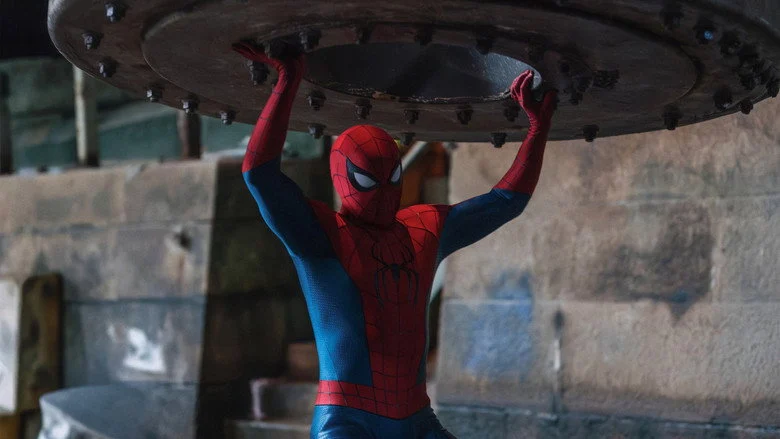
The action geography appears to stay street-level, a welcome return after the multiverse sprawl of No Way Home. Trailer glimpses show Spider-Man web-slinging through familiar Queens corners, his new suit catching the dawn light. The combat choreography seems designed for single-hero coverage, with no Avengers parachute in sight.
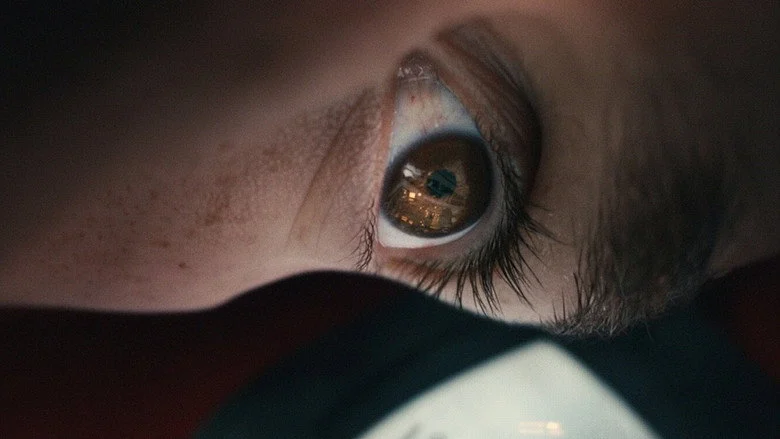
The promotional material hints at a physical evolution, Peter’s body reacting to the strain of his double life. If executed well, this could add a body-horror texture to the standard superhero punching. The premise of a villain no one can see also demands innovative visual staging; Cretton’s ScreenX framing suggests he’s thinking about peripheral space.
The new suit reveal carries symbolic weight: it’s not just a costume change but an assertion of identity in a world that has forgotten him. The trailer’s city-imagery leans on wide lateral pans, setting up a more airy visual vocabulary than previous installments. Whether the action sustains across a full runtime is unknowable, but the cinematic intent is to make isolation feel spacious.
Supporting cast layers dramatic irony and MCU continuity
Zendaya returns as MJ, albeit in a world that no longer remembers her relationship with Peter. That dramatic irony, her kindness to a stranger who was once her lover, demands delicate performance work, and Holland and Zendaya have proven their chemistry before. Jacob Batalon’s Ned is also back, now unmoored from the friendship that defined him; his comic timing will need to find fresh footing without the “guy-in-the-chair” dynamic.
Jon Bernthal’s Frank Castle signals a tonal shift: the Punisher’s presence in a Spider-Man film suggests MCU’s street-level crossover is expanding. Bernthal brings a gruff gravity that could either elevate the stakes or clash with Peter’s youthful energy. Mark Ruffalo’s Bruce Banner offers a potential scientific anchor for Peter’s transformation subplot. His casting hints at a larger MCU connective tissue, but fans will hope the Hulk’s role serves the story rather than trailer bait.
Sadie Sink and Tramell Tillman arrive with no confirmed roles, an unusual opacity even by Marvel secrecy standards. Their casting signals narrative ambition, Sink’s dramatic heft from Stranger Things and Tillman’s nervous authority from Severance suggest the film might lean into psychological tension alongside the action. Michael Mando’s Mac Gargan/Scorpion remains an unresolved thread from Homecoming; his inclusion here could finally pay off that setup, though the synopsis’s “unseen villain” phrasing complicates that.
If you are curious about how other superhero premises handle isolation, browse our English Action reviews at Hdhub.
Audience reception is cautious curiosity, not hype
The film’s delayed release from July 24 to July 31 stirred online murmurs, but no substantial controversy has emerged. Early audience interest centres on Tom Holland’s return and the emotionally devastating No Way Home aftermath. The primary skepticism comes from the lack of concrete villain clarity and the risk of an overstuffed cast, a common Phase Six concern. For now, the audience is leaning in, cautious but curious.
I remain skeptical about how the unseen villain will sustain tension across a full act, but the directorial choices here are intriguing enough to warrant a ticket. Brand New Day is still a promise rather than a delivered film, but the building blocks are interesting enough to merit cautious optimism. If you are a Spider-Man completionist or an MCU devotee, mark your calendar for IMAX, the ScreenX framing might be where the action really sings. For casual viewers, wait for the first wave of reviews; this reset could either soar or retread familiar ground.
Spider-Man: Brand New Day is a calculated gamble that deserves the benefit of the doubt, but until we see the complete picture, it earns a cautious 3 out of 5 based on ambition alone.
For a completely different take on identity and isolation in Indian cinema, check our review of Uttar Da review.
And if you want to see another film that experiments with transformation and internal pressure, read our Max Min verdict.

Ankit Jaiswal is the Chief Author, covering Indian cinema and OTT releases with honest, no-filler criticism. An SEO strategist by background, he brings a research-driven approach to film writing, cutting through hype to tell you exactly what's worth your time.