Kidney (2026): Aakarsh and Agrim Sansanwal’s Village Black Comedy Tests Love Against Inheritance
The opening image is dust: a courtyard split by an invisible line no map would ever record. Two families have spent generations rehearsing the same grievance, and the Sansanwal brothers drop us straight into it.
Inheritance Is the Only Language This Village Speaks
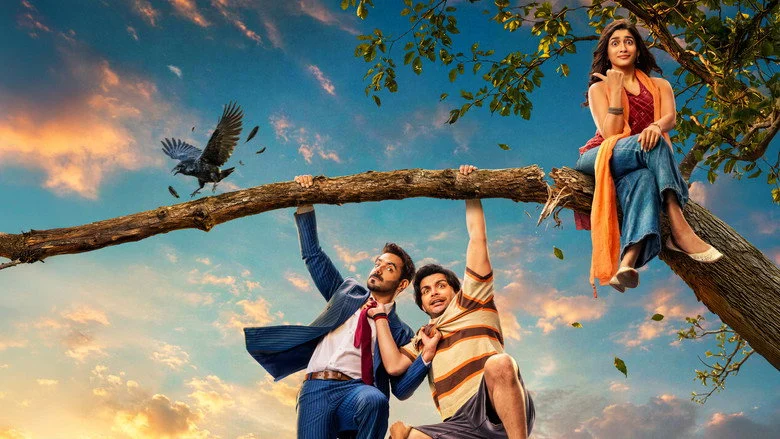
The premise is elegantly simple. A young man wants TikTok fame; a young woman wants out from under the patriarchal boot; and their romance detonates across a Hindu-Muslim family divide that neither of them chose.
What gives the film its teeth is the inheritance dispute. It converts a taboo romance into a material war over money, loyalty, and social standing, which is far more interesting than mere disapproval.
The structural discipline here recalls the muted stakes of Parivarik ManuRanjan, another recent release that trusts household arithmetic to generate tension instead of manufactured plot theatrics.
A TikTok Dreamer Trapped in a Feudal Ledger
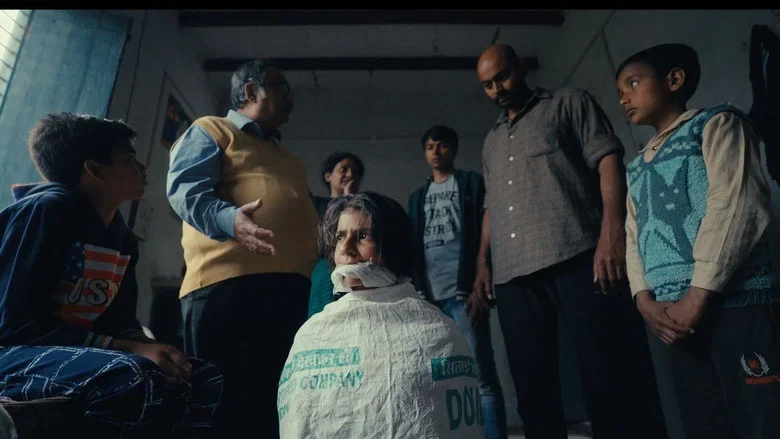
Rudrashish Majumdar carries the film’s central contradiction: a young man performing digital self-invention inside a village that still settles scores with land deeds. His body language stays loose and performative even when the room turns hostile.
That gap between the phone-screen grin and the family courtyard is where the black comedy lives. The script never lets him fully commit to either world, and that hesitation is the performance’s sharpest asset.
Simran Tandon’s arc runs on a different register entirely. Her character’s stated goal is escape, and she plays the role as an active negotiator rather than a passive prize, though the film could give her more scenes of actual leverage.
When Greed Becomes the Real Antagonist
There is no named villain, and that is the point. The opposing force is the inheritance itself, plus the rival families who treat old wounds as currency. Greed does the heavy lifting that a mustache-twirling antagonist usually would.
The risk with this approach is diffusion. Without a single face to hate, the middle section must rely on escalating family confrontations, and the film occasionally lets the communal tension blur into background noise.
The screenplay’s smartest move is tying the lovers’ private rebellion directly to the money. Once the inheritance claim is filed, the romance stops being a secret and becomes a legal problem for everyone in the courtyard.
The Village That Finished the Film
Production ran out of money. The local farming community stepped in to help complete the shoot, and that fact bleeds into the texture of the film in ways a studio budget never could.
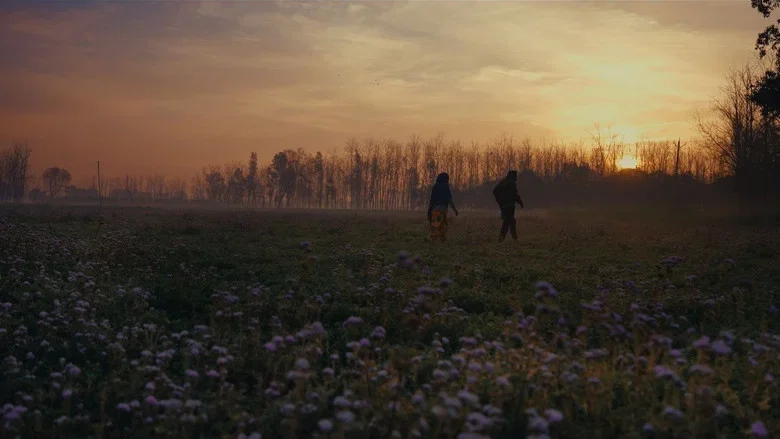
The camera stays close to the ground, favoring doorways and thresholds over sweeping vistas. The village is not scenery; it is a set of rooms where everyone can hear everyone else.
Shray Saxena’s score stays sparse, letting silence do the work during the family confrontations. The editing, however, is less disciplined, and the back half occasionally rushes through reversals that deserved more air.
The tonal balancing act between comedy and threatened bloodshed is the film’s riskiest gamble. It mostly works, though the tonal shifts in the second hour feel less controlled than the first.
The Festival Slot and the Box-Office Question
Enfant Terrible Productions, with Shiladitya Bora’s Platoon One Films as co-producer, is operating far outside the star-driven theatrical economy. The Tallinn Black Nights Critics’ Picks selection gives the film its real commercial identity.
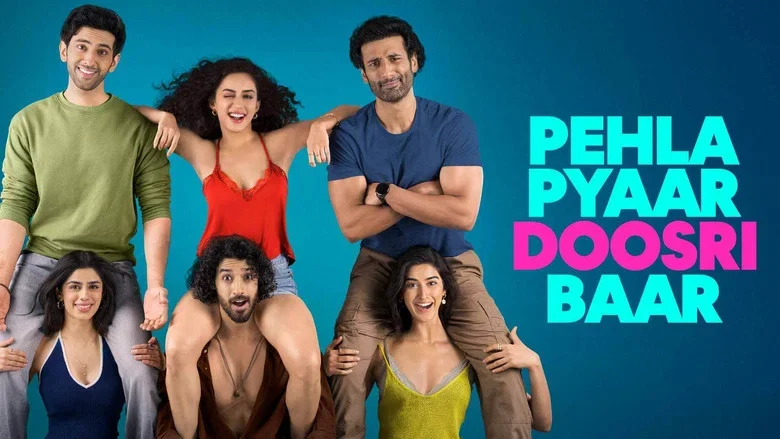
For a Hindi release without a marquee name, the theatrical window is narrow. The film’s best hope is word-of-mouth among viewers who want the kind of grounded rural drama that Pehla Pyaar Doosri Baar gestured toward but never fully committed to.
There is also the question of what this means for the broader slate. A festival-first black comedy with a community-funded finish is a different bet than the star vehicles that dominate contemporary Hindi comedys, and its performance will be watched closely by independent producers.
Majumdar’s turn here is a world away from the mythic weight of Ramayana, and that contrast is instructive. He is a performer who can shift register, and this film gives him room to prove it.
The Uncomfortable Arithmetic of Choosing Love
The climax pushes the families to the edge of violence, and the film refuses to pretend that love solves anything on its own. The lovers are caught between inherited hostility and the terrifying freedom of choosing their own future.
What lingers is not the romance but the ledger. The inheritance outlasts the feud, the feud outlasts the lovers’ resolve, and the village keeps its books open long after the credits roll.
Kidney is a film about the cost of escape, and its final image suggests that the price is never paid in full. It is a sharp, uneven, genuinely interesting piece of independent Hindi cinema that earns its festival slot.

Ankit Jaiswal is the Chief Author, covering Indian cinema and OTT releases with honest, no-filler criticism. An SEO strategist by background, he brings a research-driven approach to film writing, cutting through hype to tell you exactly what's worth your time.