HIRAETH (2026): A Hypnotic Mood Piece That Risks Alienating Its Audience
The opening shot of HIRAETH lingers. Dev (Harshit U Tewari) stands at a window, rain tracing lines down the glass, his reflection fractured by the water. The scene says nothing and everything.
Director artistvteja, who also wields the camera and editing suite, establishes a world built on texture and absence. The risk is clear: this is a film that trusts stillness over story.
Harshit U Tewari: The Weight of a Silent Lead
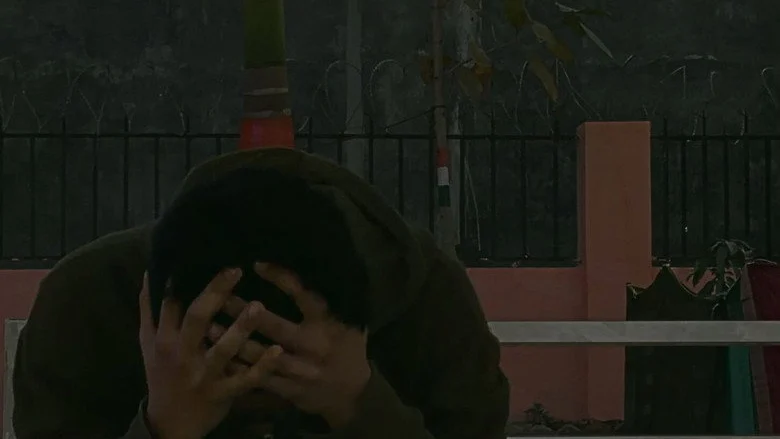
Harshit U Tewari carries the film as Dev, a man consumed by a longing for something undefined. His performance is a tightrope walk between interior anguish and exterior vacancy, and he rarely falls off.
In one crucial moment, he simply looks at a photograph. The camera holds his face for an uncomfortable stretch, and Tewari makes that emptiness feel like a scream. It is a brave, minimalist turn that demands patience.
When a Director Does Everything, It Shows
artistvteja’s triple role as director, cinematographer, and editor gives HIRAETH a unified, hypnotic visual language. The frames are composed with a poet’s eye for light and shadow, and the editing rhythm breathes like a slow pulse.
However, this control also becomes a limitation. The screenplay by Harshit U Tewari feels undernourished, relying too heavily on mood to cover for thin narrative mechanics. One montage of Dev walking through empty corridors repeats the same emotional note three times.
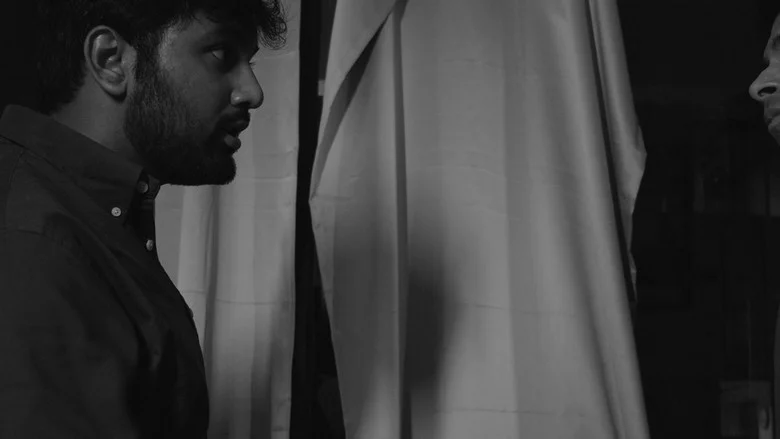
The film aches for a counterweight, someone to challenge the protagonist’s drift. Instead, we get more silence. It is a director’s vision, unimpeachable and insular.
Chhavi Malhotra and the Ghost of a Love Story
Chhavi Malhotra as Ananya is given the difficult task of being both memory and muse. She appears in fragmented scenes that feel more like impressions than interactions, and she makes each one count.
Her casting signals a film more interested in the idea of romance than its messy reality. Asmit, playing Dr. Saathi, offers the only outside perspective in the film. His one scene of quiet concern is a rare moment where the film acknowledges an external world.
The Risk of Pure Atmosphere
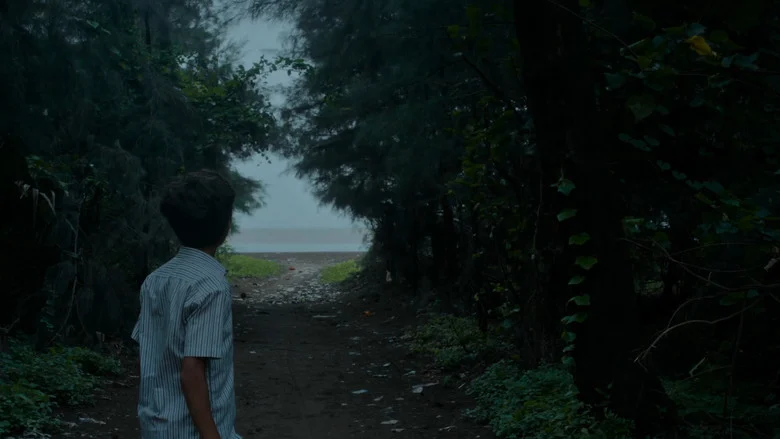
HIRAETH’s central gamble is that a deep longing for a past that never was can sustain a feature-length narrative. For long stretches, it works, the film is a carefully curated gallery of melancholic images.
But mood is not momentum. Without a stronger conflict or clearer stakes, the film risks floating into abstraction. The audience must meet it halfway, or not at all.
The moral here is that a singular vision can be both a film’s greatest asset and its most glaring flaw. I admire the craft more than the story it serves.
For those curious about this storytelling approach, explore our collection of Hindi film reviews for similarly introspective work.
HIRAETH is a difficult sell. It offers no easy entry points, no cathartic release, and no crowd-pleasing climax. Go for the photography and Tewari’s brave performance. Skip if you need a plot to hold onto. Watch it in the quietest room you can find.
Harshit U Tewari and artistvteja have made a film that insists on its own terms, earning a deeply personal 3 out of 5 for those willing to surrender to its silence.
For fans of restrained character studies, Simulacra review offers a similar drift through emotional emptiness.
Meanwhile, Ikka verdict provides the narrative propulsion this film deliberately avoids.

Ankit Jaiswal is the Chief Author, covering Indian cinema and OTT releases with honest, no-filler criticism. An SEO strategist by background, he brings a research-driven approach to film writing, cutting through hype to tell you exactly what's worth your time.